5. Deep Dive: Improving Early Detection
The data presented in section 3 demonstrates the significant burden of cardiovascular disease (CVD) and its risk factors in Camden, and the health inequalities that it drives. It also highlights an important challenge identified nationally within the Cardiovascular Disease Modern Service Framework (MSF): many people are unknowingly living with undiagnosed or poorly controlled cardiovascular risk factors [1]. These conditions, such as hypertension, high cholesterol, diabetes, chronic kidney disease and atrial fibrillation (AF), are often asymptomatic in their early stages, meaning individuals may remain unaware of their risk until they experience a serious event such as a heart attack or stroke. Hypertension, the single largest modifiable risk factor for cardiovascular disease, exemplifies this challenge and is often described as a ‘silent killer’ because it rarely causes symptoms, despite being responsible for a large proportion of preventable cardiovascular morbidity and mortality.
Building on the evidence presented in earlier sections, this chapter explores the interventions, services and innovations that support earlier detection of cardiovascular risk in Camden. It reviews the current evidence base, local data and emerging practice across a range of settings, while considering the challenges and opportunities to develop and enhance these further in Camden.
5.1 NHS Health Checks
What is it?
The NHS Health Check is a national prevention programme designed to identify and reduce the risk of cardiovascular disease (CVD) and related long-term conditions. It focuses on the early detection and management of risk factors associated with conditions such as hypertension, heart disease, stroke, type 2 diabetes, chronic kidney disease and dementia. Adults aged 40 to 74 years who do not have any of these pre-existing conditions are eligible for a free NHS Health Check every five years.
In addition to early identification, NHS Health Checks provide an opportunity to identify risk factors early and support individuals to effectively manage and reduce behavioural risks through personalised advice and referral to appropriate services. Depending on individual need, this may include support for weight management, increasing physical activity, stopping smoking, reducing alcohol consumption, or preventing type 2 diabetes. For adults aged 65 to 74 years, the programme also includes information on the signs and symptoms of dementia, with signposting to memory assessment services where appropriate.
The programme is delivered in accordance with national best practice guidance and programme standards, although local delivery models vary between boroughs.
While the primary focus of the NHS Health Check remains cardiovascular and metabolic health, the scope of the programme continues to evolve. In October 2025, the Government announced that menopause-related questions and advice would be incorporated into the NHS Health Check programme for the first time [2]. The policy aims to improve awareness of menopause and perimenopause symptoms, encourage women to seek support earlier, and ensure that routine preventive health contacts provide opportunities to discuss wider health risks and wellbeing. Although detailed implementation guidance is still emerging, the change reflects growing recognition of the importance of women’s mid-life health.
Evidence and data
There is a growing body of evidence highlighting the effectiveness of the NHS Health Check. A study of more than 158,000 people in Lambeth followed over 15 years found that people who received an NHS Health Check had a 32% lower risk of death from any cause compared with those who did not receive a check [3]. Similarly, a UK Biobank study involving over 48,000 NHS Health Check participants found that the programme led to higher detection of hypertension, chronic kidney disease and high cholesterol within the first two years after attendance [4]. Over a longer follow-up period, participants were also found to have a lower risk of developing a range of long-term health conditions and a lower risk of all-cause mortality [4]. An economic evaluation by the Office for Health Improvement and Disparities (OHID) reported a return on investment of £2.93 for every £1 spent [5].
Despite this evidence, uptake of NHS Health Checks remains relatively low nationally. When the programme was introduced, the Department of Health and Social Care (DHSC) set a target for local areas to invite 20% of the eligible population each year so that all eligible residents are offered a check within a five-year cycle. The guidance also specified a target uptake rate of at least 75% among those invited. However, 2015-2020 service review data showed that national uptake remained below 50% of those invited, varied across population groups, and that one-third of attendees did not receive follow-up care, highlighting important areas for improvement [6].
Research suggests that uptake is generally lower among men, those from younger age groups and those living in more deprived areas [6]. Qualitative studies have identified several barriers to attendance, including lack of awareness, limited interest in preventive healthcare, time constraints, and access issues to general practice [7]. Among those who do attend, some report that risk scores are difficult to understand, lifestyle advice can feel too generic, and follow-up recommendations are not always clear [8]. In London, patterns are broadly similar to those seen nationally, although uptake has been found to be higher in more deprived communities and among people from global majority ethnic groups [9].
In addition to challenges with uptake, data quality remains a challenge within the NHS Health Check programme, with information on some risk factors and assessments not always recorded consistently. Analysis of primary care data from 2012 to 2017 found that missing information was particularly common for physical activity, alcohol consumption and diabetes risk assessments [10].
In Camden, uptake of the NHS Health Check has been strong and on an upward trajectory, exceeding pre-pandemic levels albeit with variations across practices and wards. In Q1 2026/27, Camden ranked highest among London boroughs for the percentage of health checks offered and delivered. Indicative equity analysis, based on incomplete data, demonstrates lower uptake among men and those from younger age groups, mirroring national trends, alongside good uptake across most ethnic groups and within deprived areas, in line with London trends. Local activity data also suggests an increase in uptake of health checks among residents on the learning disability register compared with pre-pandemic levels.
Challenges and opportunities
Despite strong overall performance in NHS Health Check uptake in Camden, local equity analysis and focus group findings have highlighted variation in uptake and several areas for improvement. Health Checks are less likely to be taken up by men and those from younger age groups. Data completeness is also inconsistent across the range of assessments that make up a full health check. Improvements are needed across the wider service pathway, particularly in the referral of eligible residents to local lifestyle and wellbeing services and the recording of these referrals. Alongside improvements to data recording, data-sharing agreements need to be reviewed and updated to enable regular monitoring of service activity and its impact on equity outcomes.
Focus group findings also highlighted low awareness of the Health Check programme and a need for clearer messaging about what an NHS Health Check involves, who is eligible, who delivers it, what the results mean, and the potential benefits. More targeted, community-centred approaches are needed to improve equity in uptake. The service experience and follow-up could also be strengthened through clearer, culturally inclusive and holistic explanations of results, including their implications for day-to-day life, alongside ongoing communication about how residents can access relevant local support.
These findings are informing a further deep dive into the service specification, including potential changes to our training offer to improve service quality and satisfaction; our delivery and payment model to strengthen whole-service utility and improve equity; and our data processes to enable more effective measurement and assessment of service impact. We are also exploring and piloting targeted delivery models, including NHS Health Check Online and Workplace Health Checks, as described in the following casde studies.
Callout-phicCase study: NHS Health Check Online
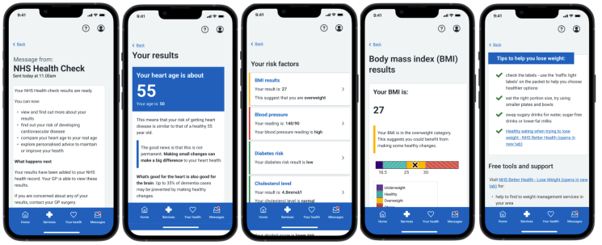
In line with NHS ambitions to expand the use of digital and app-based technologies, the NHS Health Check Online (NHSHC-O), also referred to as the Digital Health Check, has been introduced, with Camden selected as a pilot site. The pilot enables invited residents to complete their NHS Health Check remotely through the NHS App using a smartphone, tablet or computer. Participants complete an online health questionnaire, enter their height, weight and blood pressure measurements, and undertake and report blood test results remotely. They then receive their results alongside personalised lifestyle advice, with onward referral to their GP where further investigation or treatment is required.
The digital model offers greater convenience and flexibility for residents who are confident using digital technology, improving access to health information and results while supporting individuals to take a more active role in managing their health. It may also help release capacity within primary care by reducing the need for face-to-face appointments for some residents. Importantly, the digital service is intended to complement rather than replace the in-person NHS Health Check offer, which remains essential for ensuring equitable access across all population groups and communities.
Camden launched its pilot in December 2025. Early findings indicate that by June 2026, 198 residents had started the digital service, of whom 13.6% had completed the full pathway. The demographic profile of participants differed across population groups. Females accounted for a larger proportion of participants than males, while younger age groups were more highly represented, with 61% of participants aged 45 years and under. Nearly half of participants (48%) were from White ethnic groups, while 11% were from Asian ethnic groups. Participants were also more likely to live in less deprived areas of the borough.
Evaluation of the pilot is needed to understand whether the digital offer can help improve engagement with the NHS Health Check programme while ensuring equitable access for all communities.
Callout-phicCase study: Workplace Health Checks
Evidence shows that people working in routine and manual occupations experience poorer cardiovascular health outcomes and shorter life expectancy than those in managerial and professional roles [11,12]. This reflects a combination of occupational risks, socioeconomic inequalities, higher prevalence of lifestyle risk factors and barriers to accessing preventive healthcare. In response, the Department of Health and Social Care has increasingly promoted the delivery of health checks in workplace settings [13].
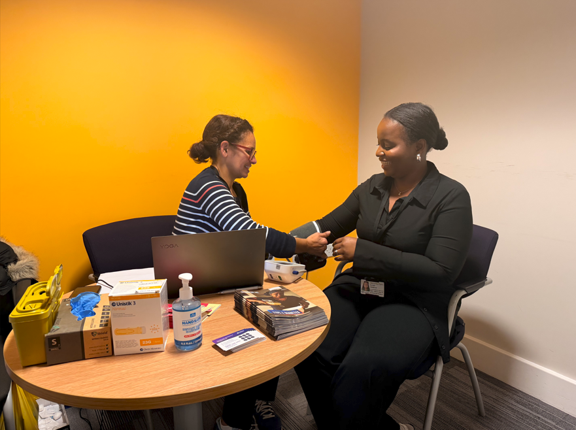
As part of Camden’s local heart health programme, a pilot study was undertaken to provide on-site NHS Health Checks to council staff working in routine and manual occupations. Eligible staff received a full NHS Health Check, while those outside the eligibility criteria were offered a ‘Vital 5’ Check, which assesses five key drivers of health inequalities: blood pressure, body mass index, smoking, alcohol use and mental wellbeing. All participants received a personalised health passport summarising their results, alongside advice and signposting to relevant support services.
In total, 171 council staff received a check, of which 39% were a full health check and 61% a ‘Vital 5’ check. Participants were predominantly male (66%), with good representation across all age groups. The highest proportion of staff were from a Black ethnic group (41%), while 28% were White and 14% Asian.
The pilot identified a substantial burden of previously undetected cardiovascular and lifestyle-related risk factors. Most participants were living with overweight or obesity (73%), 61% had raised or high blood pressure, and almost one quarter (23%) were assessed as being at high risk of diabetes. In addition, 17% of participants had increased or high cholesterol levels, while one quarter (25%) of staff were smokers, 27% reported low levels of physical activity, and 24% were assessed as having an increased risk of, or dependency on, alcohol.
Feedback from participants was very positive, with all survey respondents rating their experience as “very good” or “excellent”. Staff valued the convenience of accessing checks at work, particularly where work demands made it difficult to attend GP appointments, and several reported that the check identified health concerns they were previously unaware of. There were also feelings of gratitude to the council for prioritising staff health. Overall, the pilot demonstrated that workplace health checks are a feasible and effective approach to improving access to cardiovascular prevention and early risk detection among routine and manual workers.
For more information about NHS Health Checks in Camden or our current pilot initiatives, please contact .
5.2 Community Pharmacy BP Checks
What is it?
The NHS Community Pharmacy Blood Pressure Check Service is a free, walk-in blood pressure (BP) check offer for those aged over 40 years, without a previous diagnosis of hypertension and blood pressure check in the prior six months. As a national case-finding programme, it aims to bridge the gap between the diagnosed and true prevalence of hypertension and as such encompasses a blood pressure check, advice for healthy lifestyle behaviours and ambulatory blood pressure monitoring for elevated readings. Any abnormal readings are shared with the resident’s GP for follow-up and management, where required.
Evidence and data
As of March 2026, 89% of pharmacies in Camden were registered to deliver the service and 87% were actively delivering the service. Between February 2024 and March 2026, Camden offered 36,286 blood pressure (BP) checks and 3,500 ambulatory blood pressure monitoring (ABPM) checks. With GP referrals, 4,320 referrals were made for abnormal BP readings and 2,521 referrals for abnormal ABPM readings between April 2024 and March 2026, in Camden. Following the checks, between August 2024 and July 2025, most residents (85%) had a normal reading, while 4% had a high reading, less than 1% had a very high reading, and 8% were referred for further follow-up.
Challenges and opportunities
Based on local available activity data, the community pharmacy blood pressure offer seems to be meeting its objectives in providing a quick, easily available and convenient option for accessing a blood pressure check and potentially opportunistic interventions with other health and wellbeing services. It is important to ensure good link up and pathways between pharmacies and primary care. Locally, GP hypertension champions based in Camden primary care networks (PCNs) have been collaborating with local pharmacies, and the community pharmacy blood pressure check service has been seen as a key means of improving hypertension detection through use of existing NHS pathways and capacity. It will be important to promote this best practice across GPs in Camden. The pathway could be enhanced through use of case-finding searches to identify high risk individuals, and digital innovations such as text message to signpost patients to local pharmacies, as has been implemented successfully in Surrey and Sussex. The NHS has also recently announced a pilot programme to introduce finger-prick cholesterol checks to this programme, further expanding the role of pharmacies in CVD early detection.
Callout-phicCase study: Case-finding for Community Pharmacy BP Checks in Surrey and Sussex
Community Pharmacy Surrey and Sussex, developed an innovative hypertension case-finding pathway that used digital technology to improve the identification of people with undiagnosed high blood pressure [14]. GP practices used electronic searches of patient records to identify individuals who had not received a blood pressure check within the previous five years or who had previously recorded elevated blood pressure but were not included on a hypertension register. Eligible patients were then sent secure text messages inviting them either to monitor their blood pressure at home or attend a participating community pharmacy for a free blood pressure check. A digital map showing participating pharmacies was embedded within the message, enabling patients to access services conveniently and supporting informed choice.
The pilot produced encouraging results. Across three pilot sites, 2,683 patients were invited to participate and 1,519 responded, equating to a response rate of 56.6% As a direct result of the pathway, 77 individuals were newly diagnosed with hypertension who may otherwise have remained undetected [15]. The initiative demonstrates the potential of community pharmacy-based case finding, in collaboration with primary care and digital communication, to improve early detection of cardiovascular risk factors, reduce pressure on general practice and reach populations who may not routinely engage with traditional healthcare services.
5.3 Camden Health and Wellbeing Bus
What is it?
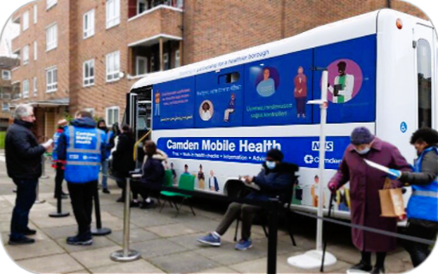
The Health and Wellbeing (H&W) Bus was established during the COVID-19 pandemic to support vaccine outreach. Since then, the service has expanded to offer a broader range of health and wellbeing checks, along with information, advice, and signposting to services and resources.
Current provision includes blood pressure and weight measurement, diabetes risk assessment, lifestyle advice, and signposting to a wide range of support services, alongside seasonal vaccination outreach delivered in regular partnership with healthcare teams from Brondesbury GP Practice (health checks) and Chelsea and Westminster NHS Foundation Trust (immunisations).
Alongside these partnerships, the H&W Bus team includes trained in-house wellbeing advisors who deliver the same range of health checks and interventions.
Evidence and data
An evaluation in 2024 found that bus locations were very well targeted to areas of deprivation in the borough, and that the service was effective in reaching diverse communities, with a higher proportion of service users from Asian, Black, Mixed and Other ethnic groups.
Service data for 2025/26 shows that 427 patients were seen on the bus through the partnership with Brondesbury practice. Of these, 66% were from Asian, Black, Mixed and Other ethnic groups, and 32.1% were from the 20% most deprived areas. Just under two thirds (63%) of service users had a high BMI while 18% had high blood pressure.
During the same period, a further 692 patients were seen by the H&W Bus in-house wellbeing advisors. Of these, 61% were from Asian, Black, Mixed and Other ethnic groups, and 34.8% were from the 20% most deprived areas. Around 62% of service users had a high BMI and 20.5% had high blood pressure.
Challenges and opportunities
The bus team have developed strong relationships with a range of local community organisations, with that local knowledge key to informing reach to particular population groups. The service offer differs between the clinician-delivered service and the service delivered by in-house wellbeing advisors, with the former team having access to patient records and able to advised patients on a broader range of health issues and needs. We are therefore considering how health checks delivered on the bus could align better with standardised guidance, including the potential for NHS Health Checks. The team is also reviewing its approach to data capture and evaluation. Aligning with the emerging interest and direction towards Neighbourhood models of health and care, the health and wellbeing bus team have also identified a neighbourhood lead for each of the five neighbourhood patches in Camden, to develop greater connections with local areas and networks.
For more information about the Camden Health and Wellbeing Bus, please contact .
Callout-phicCase study: Vital 5 Checks in South East London
Vital 5 checks are a lighter type of standardised health check, developed by King’s Health Partners and implemented in South East London Integrated Care System (SEL ICS), designed to be delivered by a wider range of staff and in a shorter time frame than the full NHS Health Check, while still address the five most significant modifiable risk factors for health:
- Healthy blood pressure
- Stop smoking
- Drinking less
- Healthy weight
- Healthy mind
As such, these checks involve measurement of BP and BMI, screening questions for smoking, alcohol and mental health, provision of brief advice, signposting and referrals, and a Vital 5 passport/scorecard with personalised actions. Since being introduced across the six boroughs of South East London, 150,000 vital 5 checks have been delivered with 37% of checks targeted to the most deprived areas [16]. Similar approaches are now being adopted in other London boroughs such as Tower Hamlets [17].
5.4 CVD Initiatives in General Practice
What is it?
The long-term condition locally commissioned service (LTC LCS) was introduced by North Central London Integrated Care Board (NCL ICB) in 2024 to improve the detection and management of long terms conditions in primary care, taking a more proactive, personalised and holistic approach. In the model of care (which takes a planned ‘Year of Care’ approach), eligible individuals (those with any of a defined list of long-term conditions) are invited for an annual review, where baseline tests are carried out, followed by a multidisciplinary desk-based review and discussion with the patient around a personalised treatment plan and goals, with follow up appointments planned through the year as required. There is also a case finding element to identify eligible individuals (which could be via NHS Health Checks), and a case finding tool was developed to help identify patients at risk of having undiagnosed long term conditions (e.g., those with a high blood pressure reading in their medical records without a diagnosis code of hypertension).
NCL ICB also funded GP Hypertension Champions based in PCNs who have had a key role in driving hypertension detection through 2026. Initiatives have included using electronic searches to identify high risk patients, blood pressure kiosks placed in GP waiting rooms, collaboration with local pharmacies and their BP check service, collaboration with local voluntary and community sector (VCS) groups, and remote BP monitoring at home with automated reporting via digital technology (AccuRx). There have also been examples of connection and collaboration through neighbourhood networks.
While much of this chapter has focused on preventing cardiovascular disease through earlier detection of risk factors, primary care has an equally important role in the long-term management and support to people who are already living with cardiovascular disease. Cardiac rehabilitation programmes also play a key role in helping individuals recover after heart attacks, strokes and other cardiovascular events, while reducing the likelihood of future complications.
Evidence and data
Hypertension detection and management has been the main incentivised outcome of the LTC LCS programme in its initial years, due to a recognition of the high impact of hypertension on overall population health outcomes, and with heart health being a system priority for NCL ICB. Since its introduction, hypertension detection and management outcomes have improved measurably. Across NCL practices, 5,120 new diagnoses of hypertension were made through 2025/26, and the number on the case finding list for hypertension fell by 3,712. Additionally, 74% of patients in NCL coded with hypertension were ‘treated to target’, an increase from 70% the previous year, showing that treatment of those with hypertension has also improved. Work to improve hypertension detection and management has recently been bolstered by the PCN hypertension champions.
Challenges and opportunities
Hypertension detection and management had been identified as a key priority area in the NCL Population Health Strategy. Following the ICB merger between North Central London and North West London, there are opportunities for learning and greater alignment around approaches to the management of long-term conditions in primary care, including through use of case-finding tools and population health management approaches, and sharing of best practice approaches developed by the GP hypertension champions. This includes many of the opportunities mentioned in this report, ensuring link up between primary care and community-based approaches through the health bus, community pharmacies, and connection with local VCS groups. The development of neighbourhood networks in Camden offers the opportunity to strengthen these connections and initiatives.
5.5 Kiosk Devices
What is it?
A health kiosk or pod is a self-service health station providing digital health information, basic screening (e.g. blood pressure, weight), and access to local services. Health kiosks therefore offer scalable, accessible, and cost efficient ways to enhance early detection, support self management, and strengthen disease prevention efforts, particularly in underserved populations and outside the conventional clinical settings [18,19]. Health kiosks are categorised as either opportunistic, located in public locations for incidental use, or integrated, where they are designed as part of routine clinical workflows [18,19]. Many systems provide immediate tailored advice and referral prompts, supporting risk communication and follow-up [20].
Evidence and data
Evidence suggests that health kiosks are effective case-finding tools for elevated BP/BMI and can support risk-factor management, particularly when embedded within referral and behaviour-change pathways [19,21]. In the UK, a kiosk provider (SiSU Health) reported more than 685,000 completed checks across 561 locations by February 2023, rising to over one million by June 2025 [22]. 74% of those who used the SiSU health kiosks had not had a BP check in the prior year, and 63% of those recorded a high blood pressure; high engagement was also reported with deprived and ethnic minority groups [22].
A systematic review of the effectiveness of health kiosks, conducted for Camden as part of a University College London master’s dissertation (awaiting publication), found that kiosks were effective in detecting cardiovascular risk factors and that management of these risk factors was enhanced when kiosks were integrated into clinical pathways[21]. Evidence suggests they can be particularly effective in trusted, high footfall settings and when designed to meet the needs of diverse populations, including through multilingual and inclusive design [18,19]. Users of health kiosks generally report high satisfaction, trust, and ease of use, particularly when kiosks are simple to operate and supported by staff or community partners [21].
Callout-phicCase study: Brent Health Pods Pilot 2025
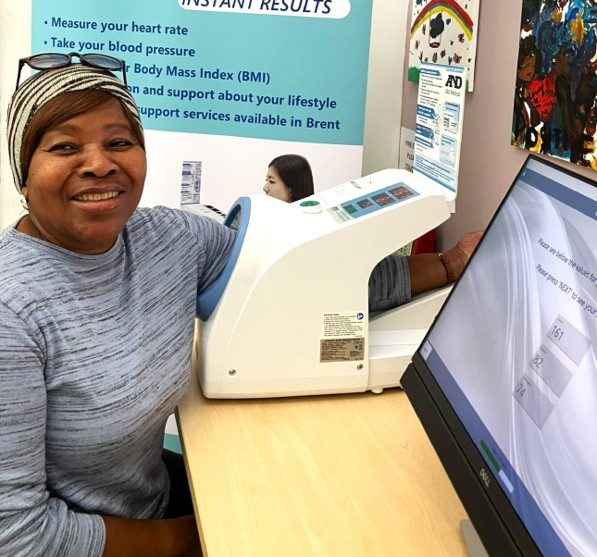
A partnership between Brent Council and the NHS piloted self-service health check pods in public libraries and community centres, representing one of the first initiatives in England to integrate community-based screening kiosks directly with GP clinical systems [23]. With user consent, health data recorded through the pods, including blood pressure measurements, are transferred directly into the individual’s GP record[23]. Raised readings trigger alerts to the registered GP practice and prompt the individual to arrange a follow-up appointment, enabling timely clinical follow-up and appropriate continuity of care [23]. Early evaluation findings indicate high usability, multilingual accessibility and strong community engagement.
Launched in January 2025, the pilot delivered over 1,000 health checks within the first seven months [23]. Using NICE-aligned screening protocols, approximately one in five users (20.8%) recorded blood pressure readings of 140/90 mmHg or above, while 5.0% recorded readings of 160/100 mmHg or above. There was strong uptake across all age groups (18-74 years) [23]. The greatest proportion of users were from a Mixed/Other ethnic group (45%), followed by Black (23.9%) and Asian (19.4%) ethnic groups [23]. The evaluation estimated that the programme could generate approximately £8.6 million in annual NHS savings through the prevention of cardiovascular events and their associated complications [23].
This case study demonstrates the potential of community-based hypertension detection to identify significant unmet cardiovascular need while maintaining clear pathways into primary care. It highlights the value of taking preventative health interventions into everyday community settings, improving accessibility and strengthening connections between local communities and healthcare servicesy, aligning with both ‘neighbourhood’ and ‘digital-first’ agendas.
Source: Brent Council
Challenges and opportunities
Kiosks present an opportunity to increase blood pressure detection in a quick and convenient way at relatively low cost compared to face-to-face checks. For example, a number of GP practices in Camden have installed blood pressure kiosks in their waiting rooms. One challenge with health kiosks, as highlighted in the literature, is their more limited effectiveness when they are not integrated into care pathways and follow-up processes.
Learning from this and the Brent case study above, Camden Health and Wellbeing is currently piloting hypertension health pods as a community-based intervention to increase access to blood pressure checks in non clinical settings. As in Brent, a key benefit will be the ability to flow data from the pods directly into the patient’s GP record with consent, ensuring improved follow up and continuity of care. The pods are designed to support opportunistic screening, raise awareness of hypertension risk, and enable early identification of raised blood pressure among residents who may not routinely engage with primary care. The pods also provide protocols for other health and wellbeing services such as smoking, weight management, cancer screening, mental health and support with signposting information. This local pilot reflects wider evidence that health kiosks can contribute to place based prevention, while highlighting the importance of integration with clinical services, data governance, and evaluation to understand impact and equity of reach. Key to success will be working collaboratively with VCS and primary care to ensure the pods are actively promoted both to patients at risk of undiagnosed hypertension, as well as those with established hypertension as a more convenient and accessible method of routine monitoring.
For more information about community blood pressure kiosks, please contact .
5.6 Community peer and ambassador models
What is it?
Community peer or ambassador models are increasingly used as a core mechanism for improving community engagement, prevention, and health equity. These approaches involve recruiting and supporting trusted individuals from within local communities to act as a bridge between residents and health and wellbeing services [24,25]. Ambassadors typically share lived experience, cultural knowledge, language skills, or social networks with the populations they serve, enabling them to engage people in ways that statutory services alone may find difficult [25,26]. Within the NHS and local government context, these models align closely with NHS England’s “Working in Partnership with People and Communities” framework, which emphasises trust, inclusion, co production, and power sharing with communities [24]. Rather than viewing communities as passive recipients of services, ambassador models recognise them as active partners and assets in improving health outcomes [25,27].
Evidence and data
In practice, community ambassador models involve recruiting trusted individuals from priority communities and providing them with training on key health topics, local services, and safeguarding [28]. Ambassadors engage residents through informal, community based interactions to share information, promote services, and support access to care [25,29]. A core feature of effective models is two way communication, with ambassadors feeding back community insight to commissioners and providers to inform service design and delivery [24,28]. Models are most effective when embedded within existing neighbourhood infrastructure and linked to clear service pathways [25,26]. Across London, community ambassador models have been widely used to support prevention and inequalities work, particularly during and after the COVID 19 pandemic. Many boroughs established community champions programmes to improve engagement with vaccination, testing, and wider health messaging, demonstrating the value of trusted local voices in addressing misinformation and improving uptake among underserved groups [28,29]. Emerging evidence also suggests that culturally tailored, community-led approaches can contribute to improved cardiovascular health outcomes and help reduce health inequalities among priority populations [27,30].
Callout-phicCase study: Healthwatch Camden Blood Pressure Detection
As part of the NCL ICB’s heart health and Core20PLUS5 agenda, local Healthwatch organisations were commissioned between 2022 and 2025, to deliver blood pressure check sessions aimed at those aged over 50 years and/or from global majority ethnic groups.
Healthwatch Camden delivered the project in Camden, which involved: conducting of blood pressure checks in community settings, engagement, information sharing, empowerment and training, including explanation of risk factors of hypertension and how to mitigate these, how to use a blood pressure machine in a community setting, and signposting to local pharmacies. They also donated blood pressure monitors to community groups to ensure users had a comfortable and easily accessible place to have their blood pressures regularly monitored. A number of local events were held in community spaces, from libraries to community centres, to estate action days.
Over the course of the project, over 25 events took place, with over 500 direct BP checks and over 250 referrals to GPs or pharmacies. 15 volunteers were trained up and deployed into community settings to carry out continuous checking and information sharing during and beyond the lifecycle of the project. The project also aimed to ensure that participants’ families and friends had opportunities to be informed with resources and had access to BP check facilities.
Callout-phicCase study: Barnet’s Healthy Heart Peer Support Project
The Healthy Heart Peer Support Project in Barnet was set up as part of the borough’s wider Health Champions programme, which was initially established to support the COVID 19 response and later expanded to address broader public health priorities, including CVD prevention [29]. The project used a peer led engagement model, recruiting and supporting local residents as Health Champions to promote heart health, raise awareness of CVD risk factors, and encourage uptake of preventive services within their communities. This project was a culturally tailored CVD prevention programme focused on African, Caribbean and South Asian communities at higher risk of poor outcomes. Delivery was achieved by a small, specialist team of trained peer supporters and engagement officers, whose trusted relationships with communities enabled repeated, meaningful prevention contacts rather than one off engagement. Delivery took place in community venues and faith settings, prioritising accessibility and cultural relevance. Activity data were routinely collected, including type of intervention and participant characteristics, enabling both operational monitoring and subsequent impact modelling. The approach emphasised simplicity, transparency and trust - both with communities and system partners. During Year 3, the Healthy Heart Peer Support Project delivered 696 brief and extended brief interventions in community settings, alongside seven intensive workshops (104 attendees) and three multi session courses (40 participants), with strong reach into African, Caribbean and South Asian communities and residents living in more deprived wards. The Healthy Heart project continues to inform Barnet’s wider CVD prevention strategy.
Challenges and opportunities
Currently, the Camden Health and Wellbeing Department has applied ambassador style approaches within specific priority areas. The department works with a wide range of established community engagement groups, to support prevention, service design, and improved access to support across the life course. These groups include parent, family, youth, and community champions, alongside formal advisory panels and forums. Collectively, they enable the department to gather community insight, co design services, deliver targeted activities, and support advocacy, ensuring that local voices shape policy and delivery.
Community peer and ambassador models can be highly effective, but several challenges can limit their impact. Sustainability is a key issue, as many models rely on voluntary or short-term funding, leading to variable participation and potential burnout without ongoing support and recognition [25,28]. Ensuring consistency and quality can also be difficult, as ambassadors have differing skills and confidence levels, increasing the need for training, supervision, and clear guidance; role clarity and boundaries are essential, as ambassadors are not clinicians and may otherwise face unrealistic expectations from communities [24,26,31]. The effectiveness of peer models also depends on strong integration with services and referral pathways - without this, increased awareness may not translate into improved access or outcomes [24,26]. In addition, engagement often occurs through existing community networks, which can limit reach to the most isolated groups. Finally, evaluation and impact measurement remain challenging, as outcomes are often qualitative and relational, making it difficult to demonstrate value for money or equity of reach.
Community peer support models present a strong opportunity to enhance heart health outcomes by leveraging trusted relationships and local knowledge to influence behaviours and improve engagement for example, to increase awareness of hypertension and wider risk factors (e.g. diet, physical activity, smoking) in ways that are more culturally relevant and accessible than traditional services. They can play a key role in improving uptake of blood pressure checks, particularly among underserved and high-risk groups who may be less likely to engage with formal healthcare settings.
5.7 Wearable technology

What is it?
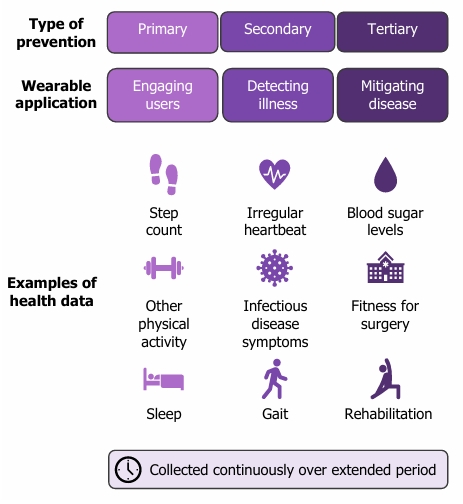
Wearable devices - such as smartwatches, fitness trackers, and biosensors - are increasingly recognised as important tools in the prevention of CVD across primary, secondary, and tertiary levels [32,33]. These technologies enable continuous monitoring, earlier diagnosis, and behaviour change, and self-management by providing users and healthcare professionals with real-time health information [32,34]. In primary prevention, wearables such as smartwatches and fitness trackers can help reduce CVD risk by promoting physical activity through step tracking, goal-setting, and feedback. Increased physical activity is strongly associated with lower blood pressure, reduced weight, and a decreased risk of cardiovascular mortality [35,36]. In secondary prevention, some devices can detect early signs of cardiac conditions, particularly irregular heart rhythms like AF, enabling earlier intervention; however, concerns remain about false positives leading to unnecessary healthcare use and anxiety [37–39]. For tertiary prevention, wearables support ongoing management of chronic conditions by enabling continuous monitoring, improving adherence to rehabilitation and lifestyle advice, and helping track recovery following interventions, though evidence on long-term clinical benefits is still emerging [32,34,40].
Evidence and data
Large-scale studies demonstrate the potential of wearables. The Apple Heart Study, involving over 400,000 participants, showed that smartwatch-based monitoring could identify irregular heart rhythms, with a positive predictive value of 0.84 for detecting AF when compared to electrocardiogram (ECG) confirmation [37,38]. Early detection is clinically important because AF is a major risk factor for stroke, and timely intervention can reduce adverse outcomes [38,39]. A study from the Netherlands suggested that smartwatch monitoring increased AF detection fourfold compared with usual care, identifying many asymptomatic cases [33,39].
Wearables also contribute to behavioural modification, a cornerstone of primary prevention. Evidence shows that activity tracking increases physical activity levels and improves adherence to cardiovascular risk reduction behaviours, including diet and exercise [32,36]. These behavioural changes address major upstream determinants of CVD such as obesity, physical inactivity, and poor diet [36].
Another important role is in self-management and adherence; wearables are often integrated with mobile health applications that provide reminders, coaching, and personalised feedback. Clinical studies show improvements in medication adherence, weight control, and self-care behaviours when wearables are combined with digital health platforms [32,34]. For example, trials in hypertension management demonstrate that wearable-linked interventions can significantly reduce systolic blood pressure compared with standard care [40]. Wearable devices primarily function as home-based blood pressure monitoring tools that facilitate self-monitoring, remote transmission of BP readings, automated reminders, and clinician feedback. When integrated with smartphone applications, they can improve treatment adherence, self-management, and blood pressure control [40].
Automated analytics can further enhance the effectiveness of wearables by identifying trends and predicting risk, thereby supporting personalised prevention strategies [32,41]. This aligns with NHS priorities to shift care from hospitals to community settings and from reactive to preventative models [42]. The UK Parliament has also discussed the role of wearable devices and how they could support the government’s 10 Year Health Plan by preventing, detecting, and mitigating diseases [42]. Pilot studies across eight NHS hospitals during the Covid-19 pandemic reported that smartwatches could support patient recovery [34,41].
Challenges and opportunities
Despite the positives of wearable devices, several limitations remain. Evidence on long-term clinical outcomes (e.g., reduced mortality) is still awaited, while there are also concerns about data accuracy, false positives, and overdiagnosis, which may unnecessarily increase utilisation of healthcare services [37,38]. Additionally, uptake is uneven, with wearables used more frequently by people who are already health-conscious or able to afford the associated costs, raising concerns about the potential to widen health inequalities [32,33]. Data governance, privacy, and integration with electronic health records also pose challenges [32,33].
Most consumer wearables (such as smartwatches) are not fully regulated as medical devices; instead, they are marketed as wellness products, although some individual features (e.g. ECG or AF detection algorithms) may have MHRA certification. This means their accuracy and clinical reliability can vary, and they are not subject to the same level of scrutiny as diagnostic tools used in healthcare settings [32,42].
From a primary care perspective, the integration of wearables or patient-generated data may be challenging – while it could be useful as a prompt for further assessment, it should not be treated as definitive evidence of disease. At present, there is limited standardisation across devices, variation in algorithms, and inconsistent accuracy across populations, meaning results cannot be interpreted uniformly or easily integrated into clinical pathways [32,33,42]. Increasing use of wearables could drive additional demand in primary care, particularly from worried but otherwise low-risk patients, while those at highest cardiovascular risk may be least likely to use these technologies due to cost or digital barriers [32,33].
In totality, wearable technologies could play an increasingly important role in disease prevention by helping people understand and act on their health risks in real time. Through supporting healthy behaviours, self-management, and earlier intervention, they offer a promising route to more personalised and population-scale approaches to cardiovascular prevention. However, their full impact depends on robust clinical validation, equitable access, and integration into health systems.
5.8 Awareness and Education Campaigns
What is it?
Public health awareness and education campaigns are structured, evidence-based interventions that use communication and engagement strategies to improve health literacy, promote healthy behaviours, and influence attitudes and decision-making on health at a population level or in high-risk groups. For cardiovascular disease, this involves increasing a population’s knowledge on the prevention, early detection, and management of CVD and its risk factors with the aim of reducing disability, death, and inequalities linked to heart disease.
Evidence and data
Evidence suggests that public awareness and education campaigns for CVD can have a positive impact on heart health at a population level. These interventions are generally more cost-effective than pharmacological or medical interventions. However, increasing awareness alone is often insufficient to achieve sustained behaviour change or directly reduce CVD mortality. The effectiveness of health messages is influenced by how individuals interpret and apply information within the context of their own experiences, values, and cultural beliefs, a concept known as ‘lay epidemiology’. People often assess health risks based on personal observations, family experiences, or beliefs about luck and fate, rather than accepting public health messages at face value, influencing both the effectiveness of awareness campaigns and their ability to achieve long-term improvements in health behaviours and population health outcomes [43,44].
Research also suggests that targeted and tailored awareness campaigns for specific populations at greater risk from cardiovascular disease are more effective than broad mass-media campaigns. In the Association for Directors of Public Health’s strategic vision What Good Cardiovascular Disease Prevention Looks Like, they outline the importance of directly co-producing CVD awareness and prevention approaches with local communities to ensure interventions are effective, inclusive, and sustainable [45,46]. It is suggested that awareness and education activities are most effective at increasing knowledge of CVD, when delivered alongside events, workshops, and training delivered by health professionals or community volunteers, practical support or interventions, and wider social and environmental policies that make healthy choices easier to adopt and maintain [44,45].
Current CVD Awareness Campaigns
Callout-phicLondon Million Hearts and Minds
As described in section 2, London Million Hearts and Minds is a new London-wide programme to accelerate the prevention of cardiovascular disease. A core element of the programme delivery is through a communications campaign and community engagement, with the following objectives:
- To increase population awareness of heart health
- To promote positive behaviour change and healthy behaviours
- To activate Londoners, communities and partners to take steps to improve heart health, including engagement with CVD prevention and detection offers e.g. health checks, blood pressure testing
- To create a social movement and momentum for better health
- To centre communities in the programme development and delivery.
In 2026/27, delivery in these areas will focus on:
- Developing and implementing a public-facing campaign and campaign assets for local adaptation. The first co-designed campaign on blood pressure checks and lifestyle changes is scheduled to launch later in the year.
- Developing a ‘Once for London’ communications and media strategy and campaign plan to create coherent, impactful branding, messaging, and campaigns over the next five years.
- Harnessing community and VCS networks to share community CVD prevention playbooks and co-develop other culturally competent resources to support and activate community-based and community-led CVD prevention.
Callout-phic“Know Your Numbers!” Campaign
The Know Your Numbers! campaign is Blood Pressure UK’s flagship national awareness campaign designed to encourage all adults to understand and regularly monitor their blood pressure, helping to prevent and reduce the risk of heart disease. The campaign is based on the knowledge that high blood pressure is often symptomless, but a major risk factor for heart attack, stroke, heart failure, kidney disease, and vascular dementia.
Through annual awareness activity, including Know Your Numbers! Week in September, the campaign promotes blood pressure testing in community settings, pharmacies, workplaces, supermarkets, and home monitoring, as well as providing information on what blood pressure readings mean and the actions people can take to reduce their risk. The campaign’s central message is that everyone should know their blood pressure in the same way that they know their height or weight.
The focus of the 2025 campaign was finding the estimated five million people in the UK (the ‘Missing Millions’) unknowingly living with undiagnosed high blood pressure. Since its launch, more than 1.5 million people have received a free blood pressure check through campaign activities, making it one of the UK’s largest and most established cardiovascular prevention campaigns. However, there is less evidence on the campaign’s success in demonstrating long-term behaviour change and management of high blood pressure, due to the reliance on self-monitoring and individuals having access blood pressure testing machines at home [47].
Callout-phic“Help Us, Help You” Campaign
Help Us, Help You is an umbrella campaign relaunched by NHS England in 2023 to improve awareness and early diagnosis of a range of health conditions. One strand of the campaign focuses on cardiovascular conditions, including raising awareness of the signs of heart attack and stroke, and early detection of blood pressure [48]. The latter ‘Get your blood pressure checked’ campaign aims to encourage uptake of the free NHS community pharmacy blood pressure checks while generating awareness of the risks of high blood pressure and symptomless nature of the condition. The campaign is targeted at individuals who are most likely to have undiagnosed high blood pressure or experience worse outcomes from CVD.
The campaign includes a range of digital resources, including banners, films, leaflets, posters, social media assets, radio and TV adverts, wallet cards, and digital screen images, as well as culturally tailored resources for specific communities at greater risk of heart disease. The primary target audiences for the campaign are adults aged 50 years and over, ethnically diverse groups (especially Black African, Black Caribbean, and South Asian communities), and people from more deprived areas. The key campaign assets are also available in alternative formats, including audio, large print, BSL, easy read and Braille to ensure the campaign is accessible for people living with disabilities. The campaign also includes bespoke narratives and assets for Black and South Asian audiences with key trusted voices, including community leaders with lived experience and specialist healthcare professionals from ethnically diverse backgrounds.
Callout-phicBroader Public Health Awareness Campaigns
As well as raising awareness of blood pressure detection, there are campaigns across a range of behavioural risk factors that are independent risk factors for both hypertension and cardiovascular diseases, such as Camden’s Active for Life and Know What You’re Drinking campaigns, and the national Stoptober campaign. Therefore, promoting these campaigns to those identified with high blood pressure, would help people to understand the action they can take to manage their blood pressure and reduce cardiovascular risk. Other related campaigns relevant to heart health and healthy behaviours more generally, include the NHS Better Health campaign focussed on healthy behaviours, and campaigns and activities led by the British Heart Foundation which is the UK’s leading charity for heart disease.
Challenges and opportunities
Campaigns may risk widening health inequalities if they do not reach underserved groups, who are often at greater risk of CVD, and instead primarily engage the ‘worried well’. There is also a challenge in translating awareness and knowledge into sustained behaviour change and improved population health outcomes. Furthermore, campaigns have the potential to reinforce stigma and shame associated with health behaviours.
Nonetheless, there remains potential for greater use of communications campaigns to support the early detection of CVD in Camden. National and regional campaign assets can be utilised and disseminated widely, while also being adapted to ensure local relevance and reach with Camden’s diverse communities. Delivery could be supported through a range of digital and physical communication channels, including community radio, social media platforms such as WhatsApp, physical advertising in public spaces, and community-led events, delivered in partnership with VCS and faith groups.
References
[3]
Saund J, Dodhia H, Vanoli J, Masselot P, O’Neill S. Survival analysis of NHS health check programme: 15 years of follow up in an urban UK setting 2025;35. https://doi.org/10.1093/eurpub/ckaf161.226.
[4]
McCracken C, Raisi-Estabragh Z, Szabo L, Robson J, Raman B, Topiwala A, et al. NHS Health Check attendance is associated with reduced multiorgan disease risk: A matched cohort study in the UK Biobank. BMC Med 2024;22:1. https://doi.org/10.1186/s12916-023-03187-w.
[5]
Office for Health Improvement & Disparities. Preventing illness and improving health for all: A review of the NHS Health Check programme and recommendations 2021. https://www.gov.uk/government/publications/nhs-health-check-programme-review/preventing-illness-and-improving-health-for-all-a-review-of-the-nhs-health-check-programme-and-recommendations (accessed July 27, 2026).
[6]
Office for Health Improvement & Disparities. NHS Health Check: Public Health Profiles. 2026. https://fingertips.phe.org.uk/profile/nhs-health-check-detailed (accessed July 27, 2026).
[7]
Harte E, MacLure C, Martin A, Saunders CL, Meads C, Walter FM, et al. Reasons why people do not attend NHS Health Checks: A systematic review and qualitative synthesis. Br J Gen Pract 2018;68:e28–35. https://doi.org/10.3399/bjgp17X693929.
[8]
Usher-Smith JA, Harte E, MacLure C, Martin A, Saunders CL, Meads C, et al. Patient experience of NHS health checks: A systematic review and qualitative synthesis. BMJ Open 2017;7:e017169. https://doi.org/10.1136/bmjopen-2017-017169.
[9]
Health Equity Data Collaborative. Health Inequalities in London: An update to the snapshot of health inequalities in London. 2024.
[10]
Patel R, Barnard S, Thompson K, Lagord C, Clegg E, Worrall R, et al. Evaluation of the uptake and delivery of the NHS Health Check programme in England, using primary care data from 9.5 million people: A cross-sectional study 2020. https://doi.org/10.1136/bmjopen-2020-042963.
[11]
Chi H, Zhou J, Li C, Lu Y, Xie C, He B, et al. Associations of occupation categories with cardiovascular diseases and all-cause mortality: An analysis of NHANES 2005-2014. BMC Public Health 2025;25:1847. https://doi.org/10.1186/s12889-025-22958-z.
[12]
Office for National Statistics. Trend in life expectancy by National Statistics Socioeconomic Classification, England and Wales: 1982 to 1986 and 2012 to 2016 2022. https://www.ons.gov.uk/peoplepopulationandcommunity/birthsdeathsandmarriages/lifeexpectancies/bulletins/trendinlifeexpectancyatbirthandatage65bysocioeconomicpositionbasedonthenationalstatisticssocioeconomicclassificationenglandandwales/1982to1986and2012to2016 (accessed August 13, 2026).
[13]
DHSC. Funding allocations for workplace cardiovascular disease checks pilot grant scheme: 2024 to 2025 2026. https://www.gov.uk/government/publications/workplace-cardiovascular-disease-checks-funding-allocations-2024-to-2025/funding-allocations-for-workplace-cardiovascular-disease-checks-pilot-grant-scheme-2024-to-2025 (accessed August 17, 2026).
[14]
Community Pharmacy England. Service case study: Identification of undiagnosed hypertension 2023. https://cpe.org.uk/lpcs-and-local/locally-commissioned-services/services-case-studies-hub/service-case-study-identification-of-undiagnosed-hypertension/ (accessed August 17, 2026).
[15]
The Pharmaceutical Journal. Using digital tools in community pharmacy to identify cases of undiagnosed hypertension 2023. https://pharmaceutical-journal.com/article/letters/using-digital-tools-in-community-pharmacy-to-identify-cases-of-undiagnosed-hypertension (accessed August 17, 2026).
[16]
South East London Integrated Care System. Over 150,000 residents benefit from vital health checks 2025. https://www.linkedin.com/pulse/over-150000-residents-benefit-from-vital-health-checks-selondonics-fac1e (accessed August 17, 2026).
[17]
London Borough of Tower Hamlets. Tower Hamlets Strategy for Long Term Condition Prevention: Vital 5: Strategy Overview. 2025.
[18]
Jones R. The Role of Health Kiosks in 2009: Literature and Informant Review. International Journal of Environmental Research and Public Health 2009;6:1818–55. https://doi.org/10.3390/ijerph6061818.
[19]
Maramba ID, Jones R, Austin D, Edwards K, Meinert E, Chatterjee A. The Role of Health Kiosks: Scoping Review. JMIR Medical Informatics 2022;10. https://doi.org/10.2196/26511.
[20]
Modivcare. Integrated Supportive Care 2026. https://www.modivcare.com/offerings/integrated-supportive-care/ (accessed August 17, 2026).
[21]
Amna A. Effectiveness of health kiosks in detecting and managing cardiovascular disease risk factors in high-income countries: A systematic review. Unpublished MPH Dissertation. University College London, 2025.
[22]
Health Innovation East Midlands. Case Study: SiSU Health Station. 2025.
[23]
Halstead S. Community Led Hypertension Detection in Brent: A Population Health Case Study of the Microtech Community Health Pod Model. Microtech Group; 2026.
[24]
NHS England. Working in partnership with people and communities: Statutory guidance 2026. https://www.england.nhs.uk/long-read/working-in-partnership-with-people-and-communities-statutory-guidance/ (accessed August 17, 2026).
[25]
Public Health England. A guide to community-centred approaches for health and wellbeing: Full report. London: 2015.
[26]
Local Government Association. Integrated Care Partnerships: Driving the future vision for health and care. 2023.
[27]
NHS England. Core20PLUS5 (adults) – an approach to reducing healthcare inequalities n.d. https://www.england.nhs.uk/about/equality/equality-hub/national-healthcare-inequalities-improvement-programme/core20plus5/ (accessed February 23, 2026).
[28]
Department for Levelling Up, Housing and Communities. Integration Area Programme: Community Ambassadors Evaluation: Strand Report. London: 2022.
[29]
Your Health Barnet. Healthy Heart Peer Support Project 2026. https://www.yourhealthbarnet.org/healthy-heart (accessed August 17, 2026).
[30]
From community activity to population impact: Modelling the health value of culturally tailored cardiovascular prevention 2026. https://www.local.gov.uk/case-studies/community-activity-population-impact-modelling-health-value-culturally-tailored (accessed August 17, 2026).
[31]
Littleford K, George J. Health Overview and Scrutiny Committee: Health Champions Update. London Borough of Barnet; 2022.
[32]
Ahmad OM, Ibrahim R, Odunsi DI, Mohammed M, Mathew BG, Touny M, et al. Role of Mobile Health and Wearable Devices in Cardiovascular Disease Prevention: A Comprehensive Review. Cureus 2025;17:e83673. https://doi.org/10.7759/cureus.83673.
[33]
Narain V, Lally C. Consumer wearable devices and disease prevention. UK Parliament POST; 2025.
[34]
NHS. Tech collaborative works with NHS to test new care platform for cardiac patients 2023. https://www.imperial.nhs.uk/about-us/news/copy-of-tech-collaborative-works-with-nhs-to-test-new-care-platform-for-cardiac-patients (accessed August 17, 2026).
[35]
Hayward C, Pym H. NHS to reward people who walk 30 minutes a day 2026. https://www.bbc.co.uk/news/articles/cj6g0rdy40jo (accessed August 17, 2026).
[36]
Longhini J, Marzaro C, Bargeri S, Palese A, Dell’Isola A, Turolla A, et al. Wearable Devices to Improve Physical Activity and Reduce Sedentary Behaviour: An Umbrella Review. Sports Med - Open 2024;10:9. https://doi.org/10.1186/s40798-024-00678-9.
[37]
Apple Newsroom. Stanford Medicine announces results of unprecedented Apple Heart Study 2026. https://www.apple.com/newsroom/2019/03/stanford-medicine-announces-results-of-unprecedented-apple-heart-study/ (accessed August 17, 2026).
[38]
Perez MV, Mahaffey KW, Hedlin H, Rumsfeld JS, Garcia A, Ferris T, et al. Large-Scale Assessment of a Smartwatch to Identify Atrial Fibrillation. N Engl J Med 2019;381:1909–17. https://doi.org/10.1056/NEJMoa1901183.
[39]
van Steijn NJ, Blommestijn IS, Blok S, Pepplinkhuizen S, Somsen GA, Knops RE, et al. Enhanced Detection and Prompt Diagnosis of Atrial Fibrillation Using Apple Watch. JACC 2026;87:1714–28. https://doi.org/10.1016/j.jacc.2025.11.032.
[40]
Yuting Z, Xiaodong T, Qun W. Effectiveness of a mHealth intervention on hypertension control in a low-resource rural setting: A randomized clinical trial. Front Public Health 2023;11. https://doi.org/10.3389/fpubh.2023.1049396.
[41]
De Sario Velasquez GD, Borna S, Maniaci MJ, Coffey JD, Haider CR, Demaerschalk BM, et al. Economic Perspective of the Use of Wearables in Health Care: A Systematic Review. Mayo Clin Proc Digit Health 2024;2:299–317. https://doi.org/10.1016/j.mcpdig.2024.05.003.
[42]
NICE. Seven digital platforms supporting at home cardiac rehab given conditional recommendations 2025. https://www.nice.org.uk/news/articles/seven-digital-technologies-to-support-cardiac-rehabilitation-conditionally-recommended (accessed August 17, 2026).
[43]
Davison C, Smith GD, Frankel S. Lay epidemiology and the prevention paradox: The implications of coronary candidacy for health education. Sociology of Health & Illness 1991;13:1–19. https://doi.org/10.1111/j.1467-9566.1991.tb00085.x.
[44]
White SJ. Effectiveness of public health and education programs for creating awareness of and managing cardiovascular disease. PI 2011:11. https://doi.org/10.2147/PI.S12425.
[45]
Hassen HY, Ndejjo R, Van Geertruyden J-P, Musinguzi G, Abrams S, Bastiaens H. Type and effectiveness of community-based interventions in improving knowledge related to cardiovascular diseases and risk factors: A systematic review. American Journal of Preventive Cardiology 2022;10:100341. https://doi.org/10.1016/j.ajpc.2022.100341.
[46]
The Association of Directors of Public Health. What Good Cardiovascular Disease Prevention Looks Like. 2025.
[47]
Blood Pressure UK. Know Your Numbers 2021. https://www.bloodpressureuk.org/know-your-numbers/ (accessed July 22, 2026).