Context
This chapter summarises the different services, interventions, policies, and ways of working that are currently in place and work to prevent and address VAWG in Camden. Given the breadth of VAWG-related work across the council and with partners, this section has been organised into the following subsections:
Introduction to current programmes of work
Governance
Related partnerships, strategies and policies (including safety in the public realm, housing, safeguarding, policies and strategies, multi-agency arrangements, related practices and frameworks)
VAWG services (and those that offer VAWG related services)
Prevention and earlier identification/intervention initiatives (including school-based offers)
Training
Communications
Under these sub-sections, this chapter summarises the current work to date, services and data available and known at the time of writing. Owing to the complex nature of VAWG and the breadth of roles and responsibilities across the council, together with the varying points of contact with those affected, every effort has been made to reflect the work undertaken within the local authority. While every effort has been made to ensure accuracy, there may be omissions, inaccuracies, or changes over time and it is acknowledged that this account may not encompass the full range of contributions made by all colleagues.
We recognise that additional services and data may exist, and some may have changed or will change. Services that we know provide services in Camden and/or to Camden residents but were unable to obtain any data for at the time of writing are included at the end of the relevant sections below.
Current VAWG programme of work
Over the past five years, Camden has significantly strengthened its work to prevent and respond to VAWG, with progress accelerated by the pandemic.
Alongside Camden’s important and ‘life-saving’ VAWG related services, such as the in-house DVA service, Camden Safety Net (CSN) - which are set out in more detail below in the ‘services’ section - achievements include the introduction of a Domestic Abuse Policy (2020), work towards Domestic Abuse Housing Alliance (DAHA) Accreditation[161] and trauma-informed practice in schools, the creation of the VAWG Board (2022) with a dedicated budget following Camden Women’s Forum recommendations, and embedding victim/survivor voices at the heart of service design.
Achievements also include an ongoing programme of work looking at women’s safety in the public realm which has a working group and action plan (more details below). The organisation’s workforce is supported through a comprehensive HR domestic abuse policy, enhanced leave, financial assistance, and specialist signposting, and Camden was the first London local authority to sign the Employers Domestic Abuse Covenant. Service improvements include Domestic Abuse Navigators, a dedicated Perpetrator Team, enhanced housing support for people fleeing abuse, and education programmes for young people on healthy relationships and challenging toxic masculinity.
Building on the progress achieved through Camden’s original six pillars of VAWG work (a cross-Council programme): Raising awareness; Early identification; Tackling offender behaviour and its enabling conditions; Supporting those affected; Addressing sexual harassment; and Strengthening partnerships, Camden are now reframing the approach through a public health lens. This shift emphasises both prevention and response, while identifying the enabling factors required to deliver sustained impact. The refreshed framework is organised around four pillars:
Prevention
Identification and early intervention by system/professionals
Prompt and holistic response to VAWG victim/survivors
Action against perpetrators and behaviour change programmes
This life-course, holistic model recognises wider risk and protective factors, aligns with national and GLA strategies, and provides a structured, comprehensive approach that builds on previous successes while identifying gaps and opportunities for improvement.
Governance
The VAWG Board was established in March 2022 as the result of Camden Women’s Forum recommendation agreed by Cabinet in December 2021. It is chaired by the Cabinet Member for Safer Communities. Council representation consists of core members from the following teams: corporate services, adult and children’s social care, HR department, VAWG service, strategy, housing, public health, and the Centre for Relational Practice. External partners include police, health, Camden Women’s Forum, Camden Voices Against Abuse (survivor group), Solace, Hopscotch, and the Somali Cultural Centre.
Internal council governance includes a VAWG Directors’ Board established following agreement by Camden Council’s Cabinet in January 2023[162] to create a distributed leadership model and theory of change. Until Spring 2025 this had been chaired by the corporate management team sponsor, and is currently chaired by the Executive Director of the Children and Learning directorate. The directors’ board has overall strategic leadership on the Council’s co-ordinated work on VAWG, and partnership engagement, overall accountability to Councillors on VAWG work, oversight of the VAWG Board, and how the Council builds successful partnerships.
The VAWG Operational Group was established in May 2024, superseding a DVA Leads group that started in 2020, with the aim of driving internal change programme and building operational capacity to deliver strategic priorities for VAWG, with Terms of Reference and membership being reviewed at time of writing.
A Head of Service for (Preventing) Violence Against Women and Girls role was established in April 2025. Within this portfolio sits Camden Safet Net, the Multi-Agency Risk Assessment Conference co-ordinator, and the Domestic Abuse Navigator team. The newly developed perpetrator programme will also sit under this portfolio.
Services
The following tables summarise the VAWG-related services available in Camden for VAWG victim/survivors (both adults and children), perpetrators, and prevention. Where possible, data has been provided. The services are grouped according to if they are provided directly by Camden Council (i.e. “in-house”), commissioned by Camden Council, or community-based services that are not commissioned by Camden Council.
Due to the nature of this work the number of residents who engage with these services are relatively small, and therefore, data that can be shared in detail is limited. In line with best practice and for the protection of the people who engage with these services, numbers of less than 5, and percentages based on counts of less than 5, have been suppressed. In some cases, this means all data available has had to be removed.
Where details were not available about the service the name of the service is listed at the end of the relevant section to acknowledge the support they offer Camden residents. There is an additional list of related, but not VAWG specific, services in Appendix 2.
Council in-house services – victim/survivors
Camden Council provides a number of services to support the victim/survivors of DVA and VAWG. The two main services offered are Camden Safety Net and the Domestic Violence Navigators. These services are included in the tables below, and more detailed data from these services has been incorporated into the Chapter 3.
Camden Safety Net (CSN)
Description
CSN is Camden’s in-house independent domestic and sexual abuse/violence advice (IDSVA) service, and the flagship service in Camden. It is funded by Camden Council
CSN are a confidential and consent-based service, which provides:
emotional and personal support
advocacy and support to access other services such as housing and children’s services
risk assessment and safety planning
advice on what benefits you might be entitled to
referral to mental health services
support to apply for non-molestation or occupation orders
support to access legal help and advice
support to access education, training, and employment
Service User Eligibility
Service users are victim/survivors of domestic and sexual abuse. Service users are required to meet the following criteria:
Aged 16+
Lives, works, or studies in the Borough of Camden
Assessed to be experiencing medium-high risk domestic or sexual abuse
Service User Summary (2024-2025 Fiscal Year)
For the 2024-2025 fiscal year, the details of CSN referrals were:
Total referrals: 1,174 referrals
Sources of referrals: 19.4% children’s services, 18.1% self-referrals, 17.8% adult safeguarding
Previous engagement: 49.6% were for people who had not engaged with CSN before, and 41.6% were for people who had previously been referred to CSN.
Reasons for referral: 51.5% no referral reason selected, 21.1% DVA intimate partner, 14.5% non-intimate violence/abuse, and 9.5% DVA within the family.
Of the 39.5% of referrals that have a risk assessment, 52.5% progress to become a CSN client and 42.8% of referrals have children involved.
Notes
The criteria for service users can be a significant barrier for homeless victim/survivors as they don’t meet the ‘local connection’ requirement. Unfortunately, due to the high demand on regional services (e.g. Victim Support) this group of victim/survivors are unable to access support, even if they are homeless due to separation from the perpetrator and therefore in a period of increased risk.
Camden Safety Bus
Description
A stationary bus parked outside Camden Town tube station on Friday and Saturday nights (between 9:30pm and 2:30am) to provide a safe space for people who don’t feel safe.
The trained staff on board can provide first aid, information about and signposting to services including the police, water, and enable people to charge their phones.
The service is funded and provided by Camden Council.
Service User Demographics (2023 – 2025)
The majority of people supported by the bus are female, however men are approximately a third of the people the bus supports.
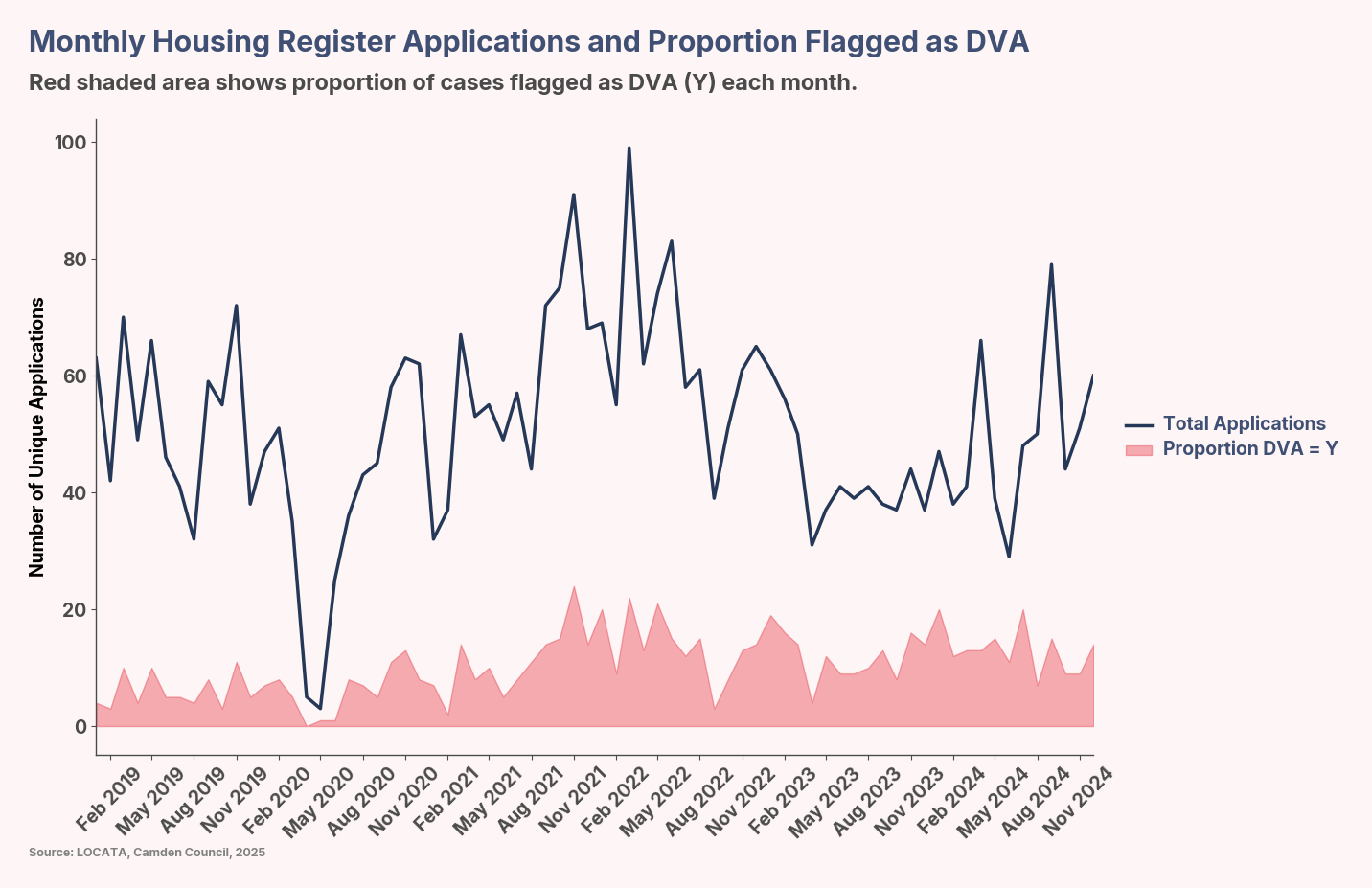
Figure 35: Stacked bar plot depicting the counts of male and female individuals supported by the safety bus in 2023, 2024 and 2025
Service Provision Data (2023 - 2025)
Since January 2023, the bus has supported over 500 people, with approximately 130 supported between 1 January and 30 June 2025.
The bus team have also undertaken 2,700 engagement activities since January 2023 (e.g. outreach with members of the public and venues).
Safe Homes
Description
The Safe Homes Scheme supports victim/survivors of DVA and hate crime to stay in their homes and feel safe by paying for improved security features such as strong door and window locks, reinforced glass panels and door viewers.
This scheme is suitable for high risk/high harm cases of DVA. Under this scheme, an enhanced home security assessment is completed and works are recommended which are completed by Camden’s repairs team. This is a fully specified package of home security measures and can include installing a sanctuary (panic) room. The intention is to allow someone under extreme duress an extra 10 minutes to call the police for help.
Service User Eligibility
Victim/survivors of DVA, VAWG, and hate crimes.
Camden Early Help Services and Family Hubs
Description
Services provided by Early Help can support children and their family on a range of topics including relationship conflict, violence in the home, and concerns about your children’s health and development. This includes:
Early Help Coordinators work at the ‘Early Help front door’ helping families to identify the best support available to them in the local community or linking them with services delivered by the council.
Early Help Family support (for 12 weeks – 12+ months) - support from a family worker, who will work with victims/survivors and their support networks (family, friends and professionals to support identified needs).
Youth Early Help (help and support for families with children over 11 years old).
Family Hubs are a system-wide model of providing high-quality, joined-up, whole-family support services from conception, through a child’s early years until they reach the age of 19 or 25 for young people with special educational needs and disabilities. They provide a universal ‘front door’ to families offering a ‘one-stop shop’ of family support services across their social care, education, mental health and physical health needs, with a comprehensive Start for Life offer for parents and babies at its core.
Family hubs have awareness-raising information around the hub about local services and the 24/7 DVA helpline, such as posters on toilet doors, or on notice boards, or discreet cards available to pick up
Staff in the Family Hub have a good understanding of the support services available locally and can connect adult and child victim/survivors to specialist DVA services (including VCS organisations).
Private spaces are available to allow victim (adult and/or child) to speak confidentially, to reduce risk associated with disclosing in front of perpetrators.
Camden in-house services – perpetrator interventions
Camden Council perpetrator programme (Insight)
Description
A new in-house perpetrator programme is being developed, to begin in late 2025, based on a tool and training from Respect.
The programme will provide long-term (approx. 12 months) 1:1 behaviour change support to perpetrators who opt into the programme, and be delivered by 4 officers who can hold the equivalent of 8-10 full time cases (weekly meetings for 12 months).
A support offer for victim/survivors will also be available through the intervention with the perpetrator, however this is an option for the victim/survivor and doesn’t determine the service provision offer for the perpetrator but is safest practice in cases where victim/survivors engage.
Success will be measured through victim/survivor feedback and change in behaviour / perceptions of perpetrators. Post-intervention checks will also be conducted with service users, professionals, and victim/survivors at 3, 6, and 12 months to evidence long-term impact.
In addition to Insight (age 16 +) Camden will be delivering 2 additional programs:
1. Respect Young Peoples Program. RYPP is a flagship intervention and recognized by the Youth Justice Board Effective Practice Unit. The RYPP is delivered in local authority, voluntary sector organisations and Police Crime Commissioner areas across England and Wales. The RYPP is a programme for families where children or young people aged between 8 and 18 are abusive or violent towards the people close to them, particularly their parents or carers. This abuse may be physical, verbal, financial or emotional and may include behaviour like hitting, making threats, coercive control or causing damage in the home.
The RYPP uses a trauma informed approach and is targeted at reducing risk factors associated with later offending/aggressive behaviour such as:
Early conduct disorder
Poor attachment
Poor academic attainment / school engagement
Low empathy
High entitlement
Poor conflict resolution skills
Poor emotional regulation
Risk taking behaviours
2. Dating Detox: The Dating Detox Toolkit is a toolkit for practitioners to use with young people aged between 11 and 18 who are abusive or at risk of being abusive in intimate relationships. This abuse may be physical, verbal, financial, sexual, coercive, or emotional and may include behaviour like hitting, making threats or causing damage to property. The Dating Detox toolkit works towards the following outcomes:
Reduce verbal aggression and violence in close relationships
Provide a model for promoting healthy relationships
Improve emotional well-being (coping with anxiety, anger, depression, emotional self-regulation)
Improve communication, boundary setting and relationships
Increase the young person’s insight to their own behaviour
Improve the young person’s ability to manage conflict
Help the young person develop positive self-talk and positive ideas about masculinity
Service User Eligibility
Programme participants can be identified by any service in the borough and be referred either directly via a professional or via the MARAC or DVA Perpetrator Panel if they meet the following criteria:
Consent to participate
The victim/survivor can be contacted and informed by a professional
No open criminal investigation related to DVA offenses
Not currently going through private family court proceedings
Participation is open to perpetrators both with and without children.
Caring Dads
Description
Caring Dads is a parenting programme that offers support to men who have harmful relationships with their children or the mothers of their children. It is not a DVA perpetrator behaviour change programme, but most of the men who attend have perpetrated DVA. The programme aims to support fathers to take responsibility as parents and recognise and address their behaviour that is harming their children.
Examples include:
Having physically or emotionally abused their children or children’s other parent
Have an overbearing, controlling parenting style.
Have separated from children’s mother but continue to be in frequent hostile conflict with them
Involved but distant, inconsistent, poor parenting around boundaries, education and/or discipline
Some examples of what the programme covers:
Child-centred fathering
How men can connect and become fathers
How to rebuild trust with children and plan for the future
How men can strengthen their relationships with children
Skills to manage stressful situations in healthy ways
How men can improve their relationships with the mothers of their children
The group meet once a week for two hours. The sessions are facilitated by two specially trained council officers from the Complex Families Family Support Service and programme is delivered over 17 weeks.
Partners/ex-partners or anyone with caring responsibility for the child, such as Foster Carers, are provided support through a Women’s Support Officer who ensures their voice informs the ongoing risk assessment and evaluation of each father’s progress.
The programme is delivered by Early Help staff from Camden Council who have been trained to deliver the programme. The intention is to deliver 2 cohorts per year.
Service User Eligibility
Fathers and male carers with children up to 16 years old who have displayed unhealthy or problematic behaviours towards children or children’s mothers.
Referrals must come from a professional such as Probation Officer, Social Worker, Early Help Practitioners, or Designated Safeguarding Lead at child’s school or nursery.
Service Data
The 3 most recent cohorts ranged from 7-12 participants.
Cohort 10 (Oct 2023 – Feb 2024):
17 consultations held
10 referrals received
7 participants - 5 successfully completed the programme
Cohort 11 (Apr – Aug 2024):
23 consultations held
15 referrals received
12 participants - 6 successfully completed the programme
Some participants transitioned to one to one support
Cohort 12 (Mar – Jul 2025):
28 consultations held
15 referrals received
8 participants - fewer than 5 completed the programme successfully, although some of the participants without ‘successful completion’ had attended 11 or more sessions
All participants reflected that they have benefited from hearing the experiences shared by others on the programme, in turn creating a shared sense of understanding and a new perspective on their own situations.
Notes
The completion data may be affected by two factors:
- Participants being allowed to miss fewer sessions to qualify for ‘successful completion’ of the programme.
The programme has tried to be more inclusive and therefore some participants may present a higher risk to the children/partner, have more complex circumstances and needs, or their partner is pregnant. These factors all relate to higher rates of drop out.
Council commissioned/funded services or groups – victim/survivors
Services include part funded services.
Camden Community Law Centre (CCLC)
Description
The CCLC provide six consultation slots every week by telephone or face-to-face for victim/survivors to provide bespoke support including one-off advice/information, legal aid funding, and opening a legal help file.
The legal support they can provide includes:
Navigating immigration pathways
Crisis intervention, information, advocacy and legal support
Access to housing, benefits, and immigration advice
Support to obtain suitable legal, civil and criminal remedies, housing, benefits, and family support
Advise on rights and options for seeking help and support from other agencies, making referrals, and coordinating provision of multi-agency support where necessary, and proactively advocating to minimise barriers to accessing support
The service can support approximately 100-150 people/families in Camden.
Service User Eligibility
Referrals from Camden Safety Net are required to access the service.
Service User Demographics (April 2024 – April 2025)
Of the clients supported with housing issues the vast majority were females between 20 and 49 years old. Of the housing issue clients (94 total) between April 2024 and April 2025:
Ethnicity: The most common ethnicity is White British (17 of 94) followed by White Other and White, however women from a total of 22 different ethnicities have been supported. 18 clients had no ethnicity data.
Health / Disability: Only 13 clients reported a health condition, either mental or physical. 20 clients did not have disability/health data.
Employment: 20 clients were in employment, 23 did not have employment data.
Housing: The most common housing status for clients was either tenant (23) or temporary accommodation (19), however a range of status was supported including those who own their property. 16 clients had no housing status data.
Service Data (April 2024 – April 2025)
94 clients were supported with housing across 111 sessions.
Since December 2024, fewer than 5 referrals were made for immigration issues, although this is not reflective of demand, rather what could be delivered as part of the grant.
Camden Voices Against Abuse
Description
A victim/survivor group in Camden who work with the council to ensure victim/survivor voice is included in the design and delivery of services, policies, and research.
Service User Eligibility
DVA victim/survivor.
Ideally members’ risk must be reduced, and they must be at a stage of recovery where they can participate meaningfully and safely without being triggered or retraumatised. The view of the victim/survivor is paramount here.
Service Data
Not available.
Child and Adolescent Mental Health Service
Description
Various services provided by Camden CAMHS can support children who are experiencing or have survived DVA, including:
Play therapy
Cognitive behavioural therapy for trauma
Family therapy
Parenting interventions
Self-referrals can be accepted via the website.
Service User Eligibility
Children who live in Camden
Service Data
Not available.
Camden Respite Rooms (CRR)
Description
CRR provides emergency off-the-streets short-term accommodation to women impacted by VAWG, multiple disadvantage and homelessness.
CRR is a safe house, meaning the address is confidential. Residents have access to 16 bed spaces in private rooms, three shared kitchens, a communal lounge and garden. Accommodation is provided for 28-days, with the possibility of extension if required.
The project is staffed with double cover 24 hours a day. There are eight permanent staff members employed. Residents are allocated a Specialist Complex Needs Worker to work with who will support them with resettlement and provide holistic, person-centred support.
Camden’s Rough Sleeping Commissioner commissions Single Homeless Project (SHP) to deliver CRR. The project is funded via MOPAC DASA funding.
Service User Eligibility
Service users are women who are:
Rough sleeping or experiencing statutory homelessness.
Impacted by or at risk of VAWG, gender-based violence, or DVA
May have multiple or co-occurring needs including substance use and mental health etc
Service User Demographics (April 2023 - March 2025)
Data collected from 99 service users between 1 April 2023 to 31 March 2025 is summarised as:
Age at first entry to service: 18-24 years old – 33%, 25-34 years old – 22%, 35-44 years old – 21%, 45-54 years old – 11%, 55+ years old – 7%
Top 5 ethnicities: White British – 24%, Black/Black British African – 19%, White Other – 13%, Any other ethnic group – 7%, Black/Black British Other – 7%
Sexuality: Heterosexual – 59%, unknown – 29%, Bisexual, Gay/Lesbian or Pansexual – 11%
Disability status: 11% reported a disability, 30% had unknown disability status
Primary reasons for service use: DVA risk – 29%, rough sleeping – 19%, housing – 15%, mental health – 10%, Unknown – 8%, Alcohol misuse – 7%, Drug misuse – <7%, Young people at risk – <7%
Income: All income from benefits – 46%, All income from employment – 6%, Income from employment and benefits – 12%, unknown income – 30%
Employment status: Part time work – 8%; Job seeker – 7%; Not seeking work – 54%; Full time work, Retired, Long-term sick/disabled, or Full time student – 9%
Domestic violence/abuse risk (if DVA routine enquiry completed): At risk in the past – 20%, Currently at risk – 49%, Currently experiencing DVA – 18%, Experienced DVA in the past – 53%, Perpetrator (current or historic) - 8%
DVIP Children’s Therapy and Support Group
Description
The Domestic Violence Intervention Project provides a free, specialist 1:1 child therapy service for children and young people who have been affected by DVA.
The offer is for weekly confidential play and creative arts therapy which runs from 12 to 36+ weeks depending on the need of the participant.
While the service is not currently commissioned by Camden, it can be spot purchased by Children’s Services. Both professional referrals and self-referrals are accepted.
Service User Eligibility
Children affected by DVA aged between 3 and 17 years old.
Participants must be living in a safe and stable environment, and not with the perpetrator. Any contact with the perpetrator must be deemed safe or supervised.
Service User Data
Not available
Grace House
Description
LBC commissions Single Homeless Project to deliver Grace House. Grace House is a specialist supported accommodation project for women impacted by homelessness and multiple disadvantage. Grace House is a part of Camden’s Adult Pathway, it offers 24/7 staff support to 11 women.
Service User Eligibility
Service users are women impacted by homelessness and/or rough sleeping, who are 18 years old or over. Grace House works specifically with women impacted by multiple disadvantage, with co-occurring high support needs, this may include: drug or alcohol dependencies, mental health issues, offending background, and experience of VAWG.
Women accessing Grace House have often been excluded from other services and present a high risk to themselves or others.
Service Data
Numbers too small to report.
Healing Together
Description
A six-week trauma-informed programme offering weekly one-to-one sessions for children who have survived DVA.
The programme aims to ensure children can access early trauma-informed help, enabling children to learn about their feelings, senses, and strategies they can use to help their body and brain feel safe.
Some schools in Camden are trained to deliver this programme, and parents should speak to their child’s school to discuss if the programme would be beneficial for them.
Service User Eligibility
Children between 6-16 years old
Service Data
Not available.
Hopscotch One Stop Shop
Description
LBC provides a grant to Hopscotch to deliver a One Stop Shop co-located with partners to help survivors of DVA to access support from a range of partners in a timely way.
Hopscotch are specialists in supporting women from black, Asian and other ethnic backgrounds, and helping women to ensure safety, and access the relevant support after leaving abusive relationships including financial support, housing support and health support.
The One Stop Shop provides an opportunity to come to one place where there are wrap-around services with, DVA advocates, the Metropolitan Police, family law solicitors and welfare and benefits advisor/support with housing.
Service User Eligibility
Women who are aged 18 and over.
Service User Data
Not available
Panoramic Counselling and HOPE network (for VAWG service clients)
Description
Panoramic offers approximately eight one-to-one counselling sessions for women who have been impacted by DVA and who are clients of Camden Safety Net (CSN).
It is grant funded by the Camden Council VAWG service and designed specifically around their clients’ needs. The service has a limited capacity of 15 monthly referrals and, when full, operates a waiting list which means CSN cannot make additional referrals.
Panoramic also offers a peer network for CSN clients called Healing Our Past and Evolving (HOPE). This is grant funded through the Camden Council VAWG board.
Service User Eligibility
Please note that Panoramic and HOPE are available only to Camden’s VAWG service clients.
Pause
Description
Pause is a national charity that works to improve the lives of women who have had – or are at risk of having – more than one child removed from their care, and the services and systems that affect them.
Participants are provided with 18 months of intensive support tailored to their needs and goals, with the importance of assertive outreach and relationship-based practice underpinning the approach.
Camden first commissioned the Pause programme as a 21-month pilot commencing in 2021. The pilot programme worked with six women who had had 16 children removed from their care. As a result, it was approved to extend the programme, for a direct award to the London Borough of Islington (the designated local delivery organisation) for the period April 2023 to September 2026.
The programme is commissioned to work with up to 13 Camden women at any one time via two practitioners.
Service User Eligibility
Women who have had – or are at risk of having – more than one child removed from their care
Service User Demographics (since 2021)
Some of the women who took part in the pilot had experience of the criminal justice system, the care system, DVA currently or previously, drug or alcohol misuse, homelessness, learning needs, and mental health needs.
Service Data
The pilot worked with six women and demonstrated significantly positive outcomes including an increase in engagement with health and welfare services, participants changing their housing situation and accessing education, and social workers reported that participants were able to communicate with them more calmly and effectively.
To date, nine women have graduated from the Pause Camden programme, ten are currently on the programme, and a further eight have engaged with the service but not taken up the full support offer.
Safe Space
Description
Safe Space is a gender informed and trauma responsive approach to working with women experiencing multiple disadvantage living within any hostel in the Camden Adult Pathway. Safe space provides case co-ordination, coaching, training sessions alongside research, pilot projects and a flexible psychotherapy service.
The service is able to provide support to 15 people at one time.
The project/approach is co-developed by St Mungo’s and the London Borough of Camden. Camden Council have commissioned St Mungo’s the project across the Camden Adult pathway.
Service User Eligibility
Safe Space primarily provide second tier advice and case coordination to support to hostel staff and front-line practitioners who are engaging with women and non-binary people experiencing multiple disadvantage and homelessness. The vast majority of this client group are experiencing multiple forms of gender-based violence.
Service User Demographics
A snapshot report (across two weeks in July 2025) gathered data on 151 clients living in Camden’s Adult Pathway for single homeless people. This included cis and trans women, and non-binary clients.
80% of women in the pathway were currently experiencing VAWG or had done in the last three years.
82% of women in the Camden Adult pathway had experienced VAWG at some time in their life, with 94% of those currently experiencing VAWG having also experienced it historically.
119 out of 121 (98%) women were currently experiencing 2 or more types of abuse. Concerningly, 65 women (52%) were experiencing 5 or more types of abuse.
Only 32% of residents have ever accessed specialist VAWG support – only 11 of the 125 survivors that have experienced VAWG were reported to have worked with Camden Safety Net.
Of the survivors that had worked with support, those working with specialist VAWG and multiple-disadvantage teams, such as the DVA Navigator service, experienced the highest prevalence against multiple abuse categories: experiencing, on average, 7.1 types of abuse.
Service Provision Data
Between June 2024 and May 2025, 33 women were accessing psychotherapy via Safe Spaces.
SHAP Housing First
Description
Camden co-delivers a Housing First Programme in partnership with Single Homeless Project (SHP). The programme provides housing in secure council or housing association tenancies to homeless people impacted by multiple disadvantage.
The programme has been developed to specifically work with couples where there is DVA – couples are allocated separate tenancies and provided with intensive DVA and perpetrator support.
Funding for this programme was awarded to the London Borough of Camden by the Department of Levelling Up Housing and Communities and the Greater London Authority via the Single Homelessness Accommodation Programme (SHAP).
SHAP delivers support to 30 residents living in their own accommodation up. Camden Council has allocated 20 council properties, and a partner housing association has provided 10.
Service User Eligibility
Single homeless adults with multiple disadvantage (and recourse) and no other housing options but where independent living with intensive, flexible support is possible and wanted.
Two additional focuses on couples experiencing DVA and on support for perpetrators.
Service Provision Data
The scheme was launched in April 2025, and therefore unable to provide data at the time of writing.
Independent Domestic and Sexual Violence Advocates (IDSVA) in health settings
Description
Adult sexual health services
Local adult integrated sexual health (ISH) services are commissioned in partnership with London Boroughs of Barnet, Islington and Haringey and delivered by Central and North West (CNWL) NHS Foundation Trust. In response to CNWL’s reported increases in DVA and SV disclosures the 4 boroughs collaborated on commissioning an IDSVA service embedded within CNWL. The aims of this service are to:
Deliver an inclusive, sensitive, non-judgmental and non-oppressive support service to victims/survivors of VAWG and domestic and sexual violence and abuse (DSVA) in North Central London boroughs of Islington, Camden, Barnet and Haringey
Increase the safety of individuals, families and children who are affected by VAWG and domestic and sexual violence and abuse
Reduce the occurrence of incidences and its harmful effects on victims/survivors and their children
Provide support to victims/survivors and their children (via appropriate referral / joint working) at all risk levels within the wider local VAWG and DSVA infrastructure in all 4 boroughs
Promote a greater independence for all users through practical assistance, emotional support and employment/skills training
Raise awareness and build skills within communities and ISH services to support better identification and response to VAWG and DSVA
Deliver VAWG and DSVA services embedded within ISH services which contribute to local implementation of relevant national, regional and local strategies
Other health services
Although not commissioned, Camden Safety Net co-locates IDVAs in two healthcare settings, one at UCLH and a virtual co-location with Great Ormond Street Hospital (GOSH). An IDVA also works with the GP lead for safeguarding, delivering training to front line workers in primary care.
Drug and alcohol services and other sexual health services
Description
The need to identify and support people in relation to DVA is included in all adult drug, alcohol and sexual health service specifications. Some services have a Women’s Lead and some have policies in place covering VAWG.
Collective Voice, the national charity working to improve England’s drug and alcohol treatment and recovery system, have a women’s treatment working group who have recently developed a Womanifesto which is intended to encourage colleagues working in member organisations (which include both of Camden’s adult Drug & Alcohol providers) to develop services to be more responsive to women’s treatment needs, this includes reference to VAWG.
West Hampstead Women’s Centre (WHWC)
Description
WHWC provides support and advocacy to women in Camden through social groups, classes and volunteering opportunities, including culturally specific groups for Asian, Somali and Irish women who face multiple problems and disadvantages. The offer also includes signposting to specialist DVA support.
The project is funded via the We Make Camden Voluntary and Community Sector (VCS) Community Partnership Investment - £52,000 PA via (core/unrestricted) Community Partnership Fund. They are also funded as part of the Camden Advice Network.
Service Data
Not available.
Women’s Recovery Service
Description
A specialist accommodation-based support service (24/7) that is trauma and gender-informed for 22 women who have experienced multiple disadvantage.
Service User Eligibility
Vulnerable and homeless or rough sleepers with a combination of high support needs, often been excluded from other services and present a high risk to themselves or others.
Service users may have drug or alcohol dependencies, mental health issues, offending background, and experience of VAWG.
Service Data
Not available.
Council commissioned / funded services – perpetrator interventions
Services are listed according to the risk assessment of the perpetrator from standard to increased risk.
Restart
Description
Restart is an earlier intervention programme for perpetrators causing harm in families delivered by the charity Cranstoun. Restart works with core professionals, such as children’s services and housing, to prevent continued abuse.
Restart originated as a response to the first lockdown during the 2020 COVID-19 pandemic by the Mayor’s Office for Policing and Crime (MOPAC), The Drive Partnership, Cranstoun, and Domestic Abuse Housing Alliance (DAHA). It has grown from a trial with 24 families in 2020-2021 to a 3-year pilot intervention across 5 London boroughs including Camden.
The Restart programme includes the following elements:
Earlier intervention case management and assessment for those causing harm
Accommodation support pathways
Integrated support for adult victim/survivors
Preparation for full length structured behaviour change support
Social care and housing teams can refer directly into Restart. To be accepted, the case must be open to a social worker or Early Help worker.
The duration of the programme is approximately 4-8-weeks and suitable for perpetrators (service users) presenting standard-medium level of risk. A case manager works 1:1 with the perpetrator and a partner support worker who offers telephone support to the victim/survivor.
This is a category of short-term perpetrator intervention that aims to develop a person’s motivation to change and acts as a potential pathway into Cranstoun’s longer-term behaviour change group – Men and Masculinities.
Restart includes an optional accommodation pathway where the perpetrator can be provided support to leave the home. This is typically a short-term hotel accommodation alongside support from an accommodation support worker to help explore longer-term housing options. The idea is to shift the accountability to the person who is causing harm, allowing the survivor and children to remain in the home.
Restart is entering its fourth year of operation in Camden. Funding been agreed up-until April 2026, with the cost split between MOPAC and the six Restart boroughs. Camden has committed £38,000 in match-funding for the 2025/26 financial year. This covers the Restart intervention and accommodation pathway, the Safe & Together training and part-time Safe & Together Implementation Lead role.
Service User Eligibility
DVA perpetrators with children who are assessed to be perpetrating ‘standard/medium risk’ abuse.
Service User Demographics (April – June 2024)
Data was not available for Camden only.
Service Provision Data
Between April and June 2024, Camden made 10 referrals to Restart.
Between November 2021 and December 2024 Camden made 91 referrals, of which 16 included a referral to the perpetrator accommodation pathway.
Service data was only available across all six boroughs that Restart works in. Between November 2021 to June 2024 the following interventions were delivered:
354 service users referred to service
321 victim/survivors were referred to the service
688 children were known to the service
55 service users or victim/survivors accessed housing pathway support
The most common support needs for service users were: children, family, or parenting – 55%, mental health – 32%, housing, 26%, employment or education – 23%, substance misuse – 18%, finance – 18%. (Needs under 10% - physical health, social community and identity support, purposeful activity, and immigration)
Between April to June 2024, 6 cases accessed the accommodation pathway.
Drive
Description
Drive is a behaviour change and intensive case management intervention targeted at the perpetrators in Camden who are causing the most harm. The intervention is delivered by the charity Rise Mutual.
Referrals can only come from MARAC or the Domestic Abuse Perpetrator Panel (DAPP). Once a case is accepted, a Case Manager is allocated.
The intervention is individually tailored and can be composed of support work, behaviour change intervention, and disruption actions. Drive does not require consent to take a case, though for a direct intervention to be offered the victim/survivor needs to be engaging with support from an IDVA or another DVA specialist. Drive have an integrated IDVA service which is provided by Victim Support.
A significant proportion of Drive’s work is non-direct, focusing on information gathering and coordinating with police and other agencies to divert the perpetrator and disrupt their ability to offend. Only when it is assessed as safe to do so will a 1:1 behaviour change intervention be offered to the perpetrator.
Drive operates in almost all London boroughs and is in its second year in Camden. Drive is a partnership of organisations that includes the charity’s Respect and Safe-Lives. It is funded by MOPAC and launched in the Camden in November 2023. MOPAC funding is confirmed until April 2026. In Camden the intervention is delivered by the charity Rise Mutual.
Service User Eligibility
People perpetrating high-risk and high-harm DVA.
Drive can work with people of any gender aged seventeen and over who are perpetrating abuse against an intermate partner, an ex-partner, or family member.
Service User Demographics (October 2023 – December 2024)
Data has been redacted due to small numbers.
Service Provision Data (November 2023 – January 2025)
Referrals between November 2023 and January 2025
A total of 22 Camden referrals were made to Drive
A total of 44 children were linked to referrals
81% of interventions between October and December 2024 were disrupt only.
Notes
Perpetrators referred to Drive are often resistant to change, and serial offenders who are deemed to cause the most harm.
Often the perpetrators in Drive cases are experiencing multiple disadvantage
The University of Bristol undertook an independent, three-year, evaluation of The Drive Project during its first phase of delivery (2016-2019). This was prior to the project launching in Camden. The evaluation concluded that The Drive Project reduces abuse and the risk perpetrators pose. Key findings include:
Reduction in abuse: The number of Drive service users using each type of DVA behaviour reduced substantially: physical abuse reduced by 82%; sexual abuse reduced by 88%, harassment and stalking behaviours reduced by 75%; and jealous and controlling behaviours reduced by 73%.
Reduction of risk: For the duration of the intervention, IDVAs reported the risk to the victim/survivor reduced either moderately or significantly in 82% of cases.
Reduction in repeat and serial perpetrator cases heard at MARAC: MARAC data showed that Drive helped to reduce high-risk perpetration including by serial and repeat perpetrators. Drive repeat and serial cases appeared less often at MARAC than the control group, the difference was statistically significant and was sustained for a year after the case was closed.
Reduction in police involvement: Police data shows a 30% reduction in number of criminal DVA incidents for Drive service users in 6 months after the intervention compared to 6 months before. By comparison, there was no change for control group perpetrators for the same period.
Community / Voluntary sector provided services - not council funded
Services are listed alphabetically.
Maia and Lift Project for Girls
Description
Delivered by Advance, this pioneering programme provides vital support for young women and girls who have experienced or are at risk of DVA by intervening at the earliest opportunity. The programme is delivered in partnership with Chance UK, Working Chance, and Woman’s Trust.
They offer one-to-one support, mentoring, and group work in order to build trust, self-identity, and confidence alongside skills and ability to recognise when and where to access support. Toolkits are also available for educators, youth workers, universities and colleges, and parents/carers.
Maia Service
This service supports young women and girls aged 13 to 25 years old with mentoring and support via group and one-to-one sessions. Where appropriate participants will be able to get employment support and advice as well as mental health support from partners.
Lift Programme
This programme supports young women and girls aged 9 to 25 years old to develop social and emotional skills via mentoring in one-to-one sessions with professional youth workers and group work.
The service works in Hammersmith & Fulham, Brent, Newham, Tower Hamlets, Hackney, Camden, Islington, and Westminster
Referrals are made via case consultation request forms on their website.
This project is funded by the Mayor of London’s Violence Reduction Unit (VRU).
Service User Eligibility
Young women and girls who are:
Living in the boroughs where the service works
Aged 9-25 years old
At risk of DVA or showing signs of being affected by unhealthy relationships
Displaying risks of being involved in the criminal justice system
At risk of being out of education, employment or training due to exclusion or low school attendance
Requiring career and employment support (for over 18 years old)
Impacted by violence and abuse in the home and/or other adverse childhood experiences.
Service Data
Not available.
WISER
Description
The WISER Project is a partnership of eight specialist charities working with women impacted by/or experiencing abuse and multiple disadvantage. The project provides outreach, and flexible 1-1 and group support to help victim/survivors to:
Access safe housing & benefits
Stay safe and improve health
Engage in other support services
Build self-esteem and confidence
Access work, education and training
Become financially independent
They currently provide support in English, Turkish, Bengali and Sylethi.
The lead organisation is Solace Women’s Aid and the project is funded by MOPAC using Ministry of Housing, Communities and Local Government Safe Accommodation funding.
Service User Eligibility
This service is open to women and girls over 16 years old who:
Live in Camden, Enfield, Haringey, Islington, Waltham Forest, Hackney, Barnet, and Tower Hamlets
Are experiencing violence or abuse and are affected by severe and multiple disadvantages, including:
Homelessness
Substance misuse
Mental health
Physical health
Insecure or uncertain immigration status
Affected by or at risk of prostitution
History of offending behaviour
History of children being removed from her care and/or at risk of further removals
In total 12 Advocates (since November 2022), across 7 frontline delivery services within the partnership, supported women accessing the project. The service also provides peer mentors.
Service User Demographics (2022-2023)
During year 5 (2022-2023) of the project 7 new service users were engaged. Data captured on 6 completed new entry forms show that of the service users:
The majority identified as White British/Irish, heterosexual, experiencing mental health, currently experiencing domestic or sexual abuse, live with at least one form of disability and/or had their child(ren) removed from their care
Some participants disclosed alcohol or substance use, were experiencing homelessness, and/or were currently or had previously engaged in offending behaviour
During year 5, 8 women exited the service.
Service User Provision (2022-2023)
In year 5, the project maintained a caseload of approximately 50 women per quarter (as below):
Quarter 1 - 53 women
Quarter 2 - 52 women
Quarter 3 - 53 women
Quarter 4 – Referrals were stopped due to funding uncertainty and some cases were redistributed within the team due to staffing issues
Quarter 5 - 49 women
Collectively advocated supported women to attend over 400 appointments with services, during year 5. The support provided is usually regarding housing, mental health, substance/alcohol misuse, support in relation to experiencing VAWG and physical ill-health.
Service users identified the following themes for their initial short-term goals:
- Housing / Safe housing (50%)
- Alcohol / Substance misuse (36%)
- Immigration (36%)
- Education, Training, and Employment (36%)
- Mental health and wellbeing (29%)
When considering long-term goals service users selected the following themes:
Education, Training, and Employment (43%)
Contact / Living with children (36%)
Housing / Safe housing (36%)
Alcohol / Substance misuse (21%)
Mental health and wellbeing (21%)
More data is available in the project’s year 5 evaluation report on the Solace website
Notes
The year 5 evaluation report notes that the challenges the service has faced include:
Inconsistency in advocates that service users work, in part due to the funding cycles and funding uncertainty leading to advocates finding alternative employment
Effective partnership working with other agencies can be challenging due to a lack of flexibility in approach or a lack of understanding from other services
Referrals into mental health can be hard and therefore, a lot of that work is held within the project.
Women at the Well (WATW)
Description
WATW is a support service for women based in the King’s Cross area. They provide practical support and advocacy to women facing multiple disadvantage, and have a specialism in working with women whose lives have been affected by transactional sex, prostitution, and/or sexual exploitation.
The support provided includes:
A drop-in centre (Monday – Thursday) where women can access advice and necessities, such as food, hot showers, laundry, and clean clothes
A support and advocacy service, providing bespoke one-to-one support and advocacy
An outreach service that identifies women that are rough sleeping, precariously housed, and/or experiencing hidden homelessness
Structured activities and groups
The service is mostly focused on middle aged women. Those who are under 25 years old are referred on to young adult specialist services.
Women at The Well is predominantly privately/third sector funded (i.e. from trusts and foundations which fund registered charities). They are also in receipt of Camden Resilience Fund (2024) and We Love Camden (2025) funding.
Service User Eligibility
Women who are affected by or at risk of sexual exploitation.
Service User Demographics (2024)
Most of the women supported by WATW have multiple disadvantages including:
Homelessness and housing insecurity, related to affordability and safety (100% of current service users)
Mental and/or physical health problems (40% of current service users)
Addictions
Histories of VAWG and traumatic childhoods
Ongoing relationships with abusive and exploitative partners and others
Destitution and/or debt
Migration status issues
Of the women who have done assessments and undertaken 1:1 advocacy with specialist support workers, 80% report that they have experienced domestic and/or sexual abuse.
An assessment of 222 active case files as of 5 November 2024 found the following demographics:
Age: 36-45 years old - 31.3%, 46-55 years old - 25.7%, 25-35 years old - 22.52%, 56-65 years old - 11.3%, under 24 years old - 4.5%, over 65 years old - 4.5%
Ethnicity: White British - 29.3%, White Other - 15.8%, Other - 13.6%, Black British (African) - 11.3%, Mixed Race - 7.2%, Black British (Other) - 6.3%, Black British (Caribbean) - 5%, British Asian - 4%, unknown - 4%, White Irish - 3.6%
Disability Status: 15% disclosed a disability, 24.8% had an unknown disability status
Service Provision Data (2024)
Over the year, the drop-in centre operated for 50 weeks, providing essential services and recording 1,692 visits, with growth in both returning and first-time users.
In-house support reached over 500 women, with around 200 receiving intensive, tailored help, including safety planning, healthcare access, and emergency housing.
The outreach team completed 128 shifts in high-risk areas, engaging 682 women, maintaining follow-up contact, and supporting nearly 300 with housing, welfare, and addiction referrals. They also accompanied police on visits to suspected brothels to offer independent advice to women found there.
Notes
WATW have noted that their data input is not well set up for how equality characteristics interact with nationality and citizenship status and they are taking actions to improve data collection.
London-Wide / National services available in Camden
Services are listed alphabetically
Domestic Abuse Recovering Together (DART)
Description
The DART intervention is a group work programme for mothers and children who have experienced DVA.
The programme includes individual sessions for mothers and children (age 7-14), and joint sessions that work on the mother–child relationship. This approach is unique because it includes joint mother and child sessions, with a primary focus of the programme being to enhance the mother–child relationship, in addition to supporting other aspects of their recovery.
The programme runs several cohorts each year, each lasting 10 weeks, with weekly sessions lasting between two hours to two and a half hours. Each cohort is targeted at a specific age range for the children – e.g. one group will be for 7-11 years and another might be 12-14 years).
For half of the sessions, mothers and children are in their separate peer groups. In the other sessions, mothers and children work on activities together, which aim to help them share their experience of the abuse and to acknowledge their related feelings and concerns while supporting one another.
The approach used is based on Humphreys et al’s (2006) research, Talking To My Mum, which found that outcomes for children who experience DVA are improved when the non-abusive parent is involved in supporting their recovery.
The DART programme is a pan-London programme delivered by NSPCC.
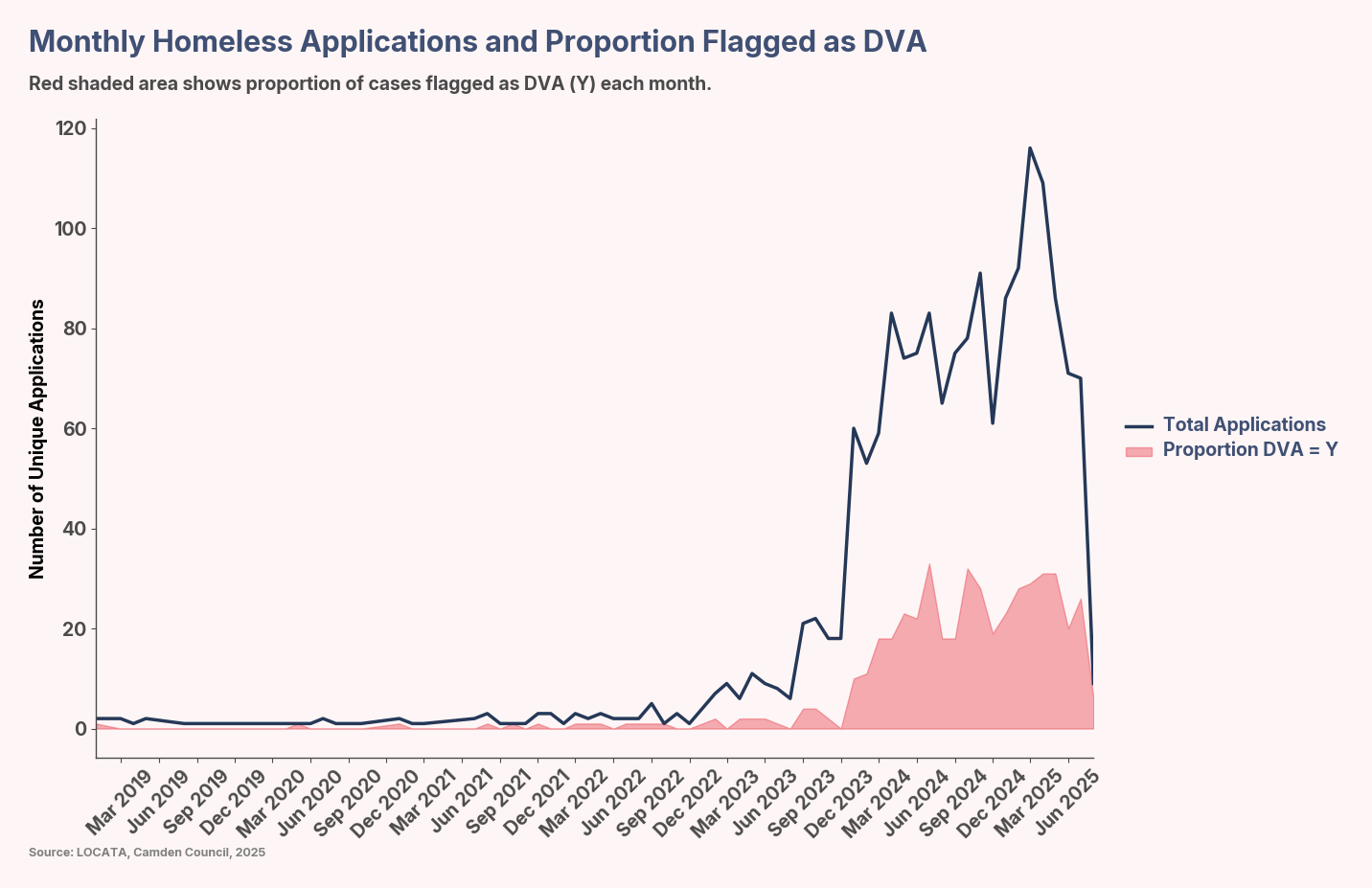
Figure 36:Infographic depicting the pathway and processes of the NSPCC DART programme that lead to the desired outcomes for mothers and children who have experienced domestic abuse.
Service User Eligibility
Mothers and children (7-14 years old) who are victim/survivors of DVA.
Service Data
Not available.
Galop
Description
The UK’s LGBT+ anti-abuse charity, Galop works with and for LGBT+ victims and survivors of abuse and violence. They specialise in supporting victim/survivors of DVA, sexual violence, hate crime, honour-based abuse, forced marriage, so-called ‘conversion therapies, and other forms of interpersonal abuse.
Service Data
Between April 2024 and March 2025, Galop received 58 new referrals from Camden residents to the advocacy and support services they provide.
Solace Women’s Aid
Description
Solace works to prevent VAWG and provides services to meet the needs of victim/survivors, particularly women and children, trans women and non-binary people.
The services they provide include accommodation (including refugees for those with complex needs and/or multiple disadvantages), advice and support, rape crisis support, support for young people, therapeutic services, and training.
Service User Eligibility
Women, trans women, non-binary people, and children.
Service Data
Not available.
Victim Support
Description
Victim Support provides a Pan-London Victims and Witness Service, with specific provision for DVA/VAWG victim/survivors. It is used as the key offer for people in Camden who are considered to be at ‘standard risk’.
At the time of this needs assessment, an interim service was in operation until September 2025.
Referrals only accepted via the Centralised Referral Mechanism - police, hospital co-location, and self-referral only. Will not accept agency or MARAC referral.
Waiting list in place for clients without immediate risk
Maximum of 12 weeks support – Exceptions to be agreed on individual basis (needs based)
Annual cap for Camden is:
High risk annual cap: 85 cases
Standard risk annual cap: 140 cases
The types of support provided are:
Independent Victim Advocates (IVA) for non-high risk cases
IDVAs for high risk cases
“By and For” IDVAs (provided via partners)
Co-location of London Victim and Witness Service IDVAs at 13 London Hospitals and 1 BCU
Specialist IDVAs for Black and minoritised communities, male victims/survivors, disabilities, and CYP
MOPAC commissions Victim Support to provide this service. It is a pan-London service and does not receive any funding from the London Borough of Camden.
Service User Demographics (Q1 2024-2025)
Total Camden referrals – 146
Total cases supported – 34
Notes
Data provided at the VAWG Coordinators Extraordinary Meeting in September 2024, suggests that work may be necessary to improve use of the provision as the number of people supported is lower than the quarterly cap for the borough (High risk – 11 people supported, cap of 21; Standard risk – 23 supported, cap of 35).
A new contract is due to go live in Autumn 2025 with services starting in early 2026.
Victim Support Safer Spaces for Children
Description
Safer Space+ is a free specialist, confidential support service for children and young people affected by DVA, that provides various forms of weekly support for eight weeks.
Advocacy
One-to-one emotional support
Practical support
Safety planning
Support through the court process
Confidence building
Exploration of healthy and unhealthy relationships
Information regarding the criminal justice system
Mentoring (via Chance UK)
Workshops
Where appropriate and where need is required, respite from DVA trauma and additional activities to support building existing relationships within families may be provided.
Referrals are made by professional agencies / services who work with children and young people who are affected by DVA.
Service User Eligibility
Children and young people affected by DVA who are:
Aged 5-18 years old
Live or are educated in London
For mentoring, both the child and the child’s carer must consent, and children should not have a significant learning need or neurodevelopmental difference that would prevent them from fully engaging in the intervention programme.
Service Data
Not available.
Prevention and earlier identification/intervention
School prevention programmes
Several schools-based prevention programmes are delivered by a range of partners in Camden. The programmes range from in-school theatre productions to training for staff.
For primary school children, Face Front deliver “Whisper Me Happy Ever After”, an in-house theatre production that explores the impact of DVA on the mental health of the children who witness it. The children are able to talk through the play and how they would have reacted or asked for help, as well an opportunity to speak to a counsellor after the performance. In the Spring term of 2025, over 700 people participated across 10 Camden schools – the highest number of schools of any borough the programme runs in.
There are three programmes available in Camden secondary schools to prevent and raise awareness of VAWG:
RESet – Healthy Relationships: A 2 day fully-funded programme about DVA for up to 30 pupils. 9 Camden schools have taken up the offer of training to date. This programme is delivered by Tender, a company that works with children and young people to prevent them from becoming victims or perpetrators of DVA.
Loudmouth Programme: Schools can choose from three programmes for a full day of activities which look at misogyny, sexual harassment, and assault (“Calling It Out”); mental health issues (“Talking Heads”); and child exploitation and misogyny (“Working for Marcus”). The programme is delivered by Loudmouth, an education and training theatre company. The programme is funded for all secondary schools in Camden, it has been delivered in one school at the time of writing, but more schools are scheduled.
Positive Masculinity Project: Year 10 students at Haverstock School have been involved in the “Positive Masculinity Project”, led by Hopscotch. This pilot program, designed at Haverstock for selected students, provides a safe and supportive space to challenge gender stereotypes and explore healthy perspectives on identity.
In addition to the student programmes, Tender provides training for school staff and governors on gender-based violence and DVA. Due to the success of the training to date (across 9 secondary schools, 2 primary schools, and 2 Special Educational Needs & Disability settings) additional training dates have been scheduled.
Camden Educational Psychology Service (ESP)
A DVA Pilot Project has been developed in response to recurring presentations of DVA within the Primary Inclusion Forum (PIF). Analysis of PIF data from summer 2025 identified 22 pupils across 18 schools, with the majority either receiving advice or placements in alternative provision. This highlighted the need for targeted, preventative support within schools most frequently represented, as well as in specialist settings to which pupils transition.
Two settings have been identified for the pilot, with agreement in principle from their leadership teams and support from the Educational Psychology Service (EPS). The pilot will begin in autumn 2025 and will involve a needs analysis consultation with key stakeholders to inform a personalised DVA support package. This may include training for school leaders, Video Interaction Guidance cycles, professional development opportunities, and consultation or supervision spaces. Participating schools will complete pre- and post-measures to support evaluation of the project’s impact.
Training
Camden Council provides a number of VAWG-related training for staff. Its in-house offer includes a mandatory e-learning module for all staff about DVA alongside more detailed training for staff who work with residents. The more detailed training offers include:
Camden Safety Net Domestic Violence and Abuse Awareness
Tiered DVA Training (Levels 1–3) for Housing Services: Delivered in house
Welfare and Vulnerability Engagement (WAVE) Training for venue staff
Confidence in complexity multi-agency training
Housing training
VAWG training
Transactional sex and women’s homelessness
Over 5,000 members of staff have completed the mandatory training (96% of staff as of February 2025), and 134 staff members across a number of departments and teams completed both the mandatory training and the Camden Safety Net training between 1 April 2023 and 30 September 2025.
Plans are in place to incorporate insights from the VAWG Needs Assessment and Youth Assembly to inform future offers, as well as aligning with the new alcohol strategy and sexual wellbeing programme to develop new resources and training. Work is also underway to expand trauma-informed training across services, including Housing and Health and piloting service-specific modules and explore a champion model for sustainability. MECC training is also being reviewed to include DVA identification.
Safe & Together
In addition to the in-house training, Camden Council contributes funding to the Safe & Together™ training which is delivered by Respect, and co-funded by MOPAC and local authorities. The training is a suite of tools and approaches for children’s social workers and their partners to help these professionals improve their awareness and understanding of DVA.
In Camden, specifically, the training is offered to social workers and Early Help teams by a member of the Respect team who is dedicated to Camden Council part-time, and is co-located at the Camden Council offices.
The model is based on three key principles:
Keeping children safe and together with their non-abusive parent, ensuring safety, healing from trauma, stability, and nurturance
Partnering with the non-abusive parent as a default position ensuring efficient, effective, and child-centred practice
Intervening with the perpetrator to reduce the risk and harm to the child through engagement, accountability, and criminal justice
Based on data from November 2021 to September 2025, the programme has received positive impact and feedback from both training and consultations with the Respect team member (over 175 consultations), trained nearly 400 members of staff (either 4-day CORE training or overview training), and has resulted in the development a champions network.
Communications
Three communications campaigns have been delivered by Camden council in 2024 and 2025, and a housing sub-campaign was launched in 2025.
The “In Camden We Call It Out” campaign was supported by the Metropolitan Police and was intended to raise awareness about sexual harassment and the law. It was developed based on experiences of women in Camden. The campaign includes a call to action to report unacceptable behaviour and intervene if it is safe to do so. The campaign highlights the wide range of work being delivered by the Council and in partnership with the police, schools, community groups, and businesses. In May 2025 a drink spiking awareness campaign was also launched initially focussing on Camden’s universities and student population, with posters and signposting information.
The “Know You’re Not Alone” campaign was launched on White Ribbon Day, highlighting different forms of DVA such as controlling or coercive behaviour, psychological and emotional abuse, financial abuse, and physical abuse. It shows how the different types of abuse take place in different types of relationships including partners and family members.
In March 2025 the Housing and Domestic Abuse ‘Know Your Rights’ Survivors’ Handbook was launched, alongside a resident-facing Housing and Domestic Abuse Policy and translated overview documents. Both documents were co-designed with people with lived experience of DVA and VAWG, homelessness, and housing insecurity. This work took place in two key phases:
Phase one entailed 40 hours of consultation and semi-structured interviews with people with lived experience(s) and specialist services. This was focused on reaching structurally marginalised victim/survivors, specifically women impacted by multiple disadvantage.
In Phase two participants from the consultation were recruited to join a Policy Development steering group. Over several months, this group helped to develop, write, edit and design the policy and handbook.
The handbook aims to embed a rights-based approach by providing clear and reassuring information on the different options available to victim/survivors with a housing need.
The handbook and Housing and Domestic Abuse policy were launched alongside ‘No place for abuse’, which is the housing sub-campaign of the Council’s wider DVA campaign, ‘Know You’re Not Alone’. The campaign aimed to promote the housing and DVA support available to key housing stakeholders, including 23,000 tenants, 9000+ leaseholders and frontline housing staff, via a multi-channel social media campaign and through housing channels. This included a DVA leaflet that was inserted into quarterly rent statements.
Below are examples of the campaigns described above
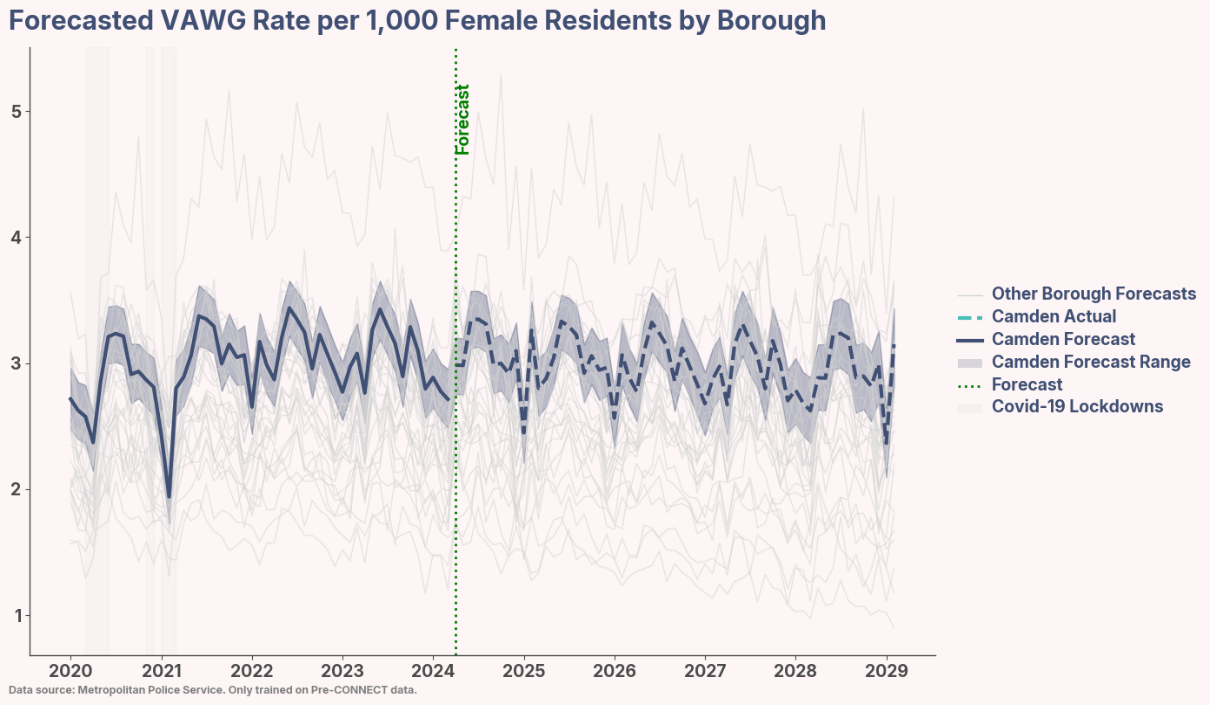
Figure 37: Examples of communication campaigns