Introduction
Talk based methods
We publish our methodologies and guidance openly to be transparent about how Public Health Intelligence (PHI) works, and to enable others to reuse, adapt, challenge, or improve our approaches.
This document reflects the current practice of the PHI team at the time of publication. It is not intended to be a comprehensive guide to the subject matter, nor should it be regarded as corporate policy, formal organisational guidance, or a mandated approach outside the PHI team.
Different approaches may be equally valid in other contexts, organisations, or service areas, and practice may evolve over time. Anyone seeking to apply methods or recommendations from this guide should critically assess their suitability for their own objectives, context, and requirements.
What is this guide for?
This guide has been developed to support Health and Wellbeing staff at Camden to design and deliver high-quality interviews and focus groups (also referred to in this guide as ‘talk-based methods’).
Interviews and focus groups are widely used across public health to explore people’s experiences, perspectives, and views in depth. They are especially valuable when we want to understand why something is happening, how people experience services, or how policies and programmes affect people’s lives.
Interviews and focus groups require careful planning and delivery. Issues such as recruitment, consent, safeguarding, data protection, and analysis need to be considered from the outset to ensure that these methods are used appropriately and are ethically sound.
This guide is intended to help you feel more confident using these methods in your work.
If you are thinking about using interviews or focus groups, this guide can help you decide whether these methods are right for your project and how to get the most out of them.
You can find a range of tools, templates and resources in the Templates in this guide to help you get started.
If you are planning large-scale, complex, or highly sensitive talk-based work, or if you are unsure about the most appropriate methods or approaches for your project, reach out to the Public Health Intelligence team for support and advice.
How to use this guide
The structure of this guide follows the Research Cycle. It starts with early planning and design, through recruitment and delivery, to analysis and writing up findings.
You can read the guide from start to finish or focus on the chapters that are most relevant to the stage you are at in your project.
Each chapter highlights best practice and how to avoid common pitfalls, as well as practical examples of how interviews and focus groups are used in a public health context.
Checklists, templates, and example materials are included at the end of the guide to support your work.
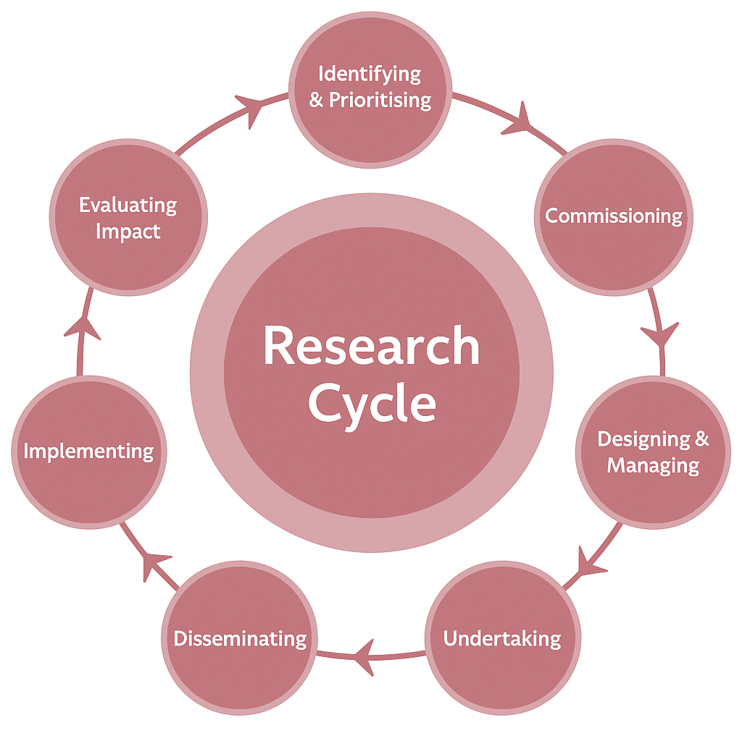
NIHR. Briefing notes for researchers - public involvement in NHS, health and social care research. Available from: https://www.nihr.ac.uk/briefing-notes-researchers-public-involvement-nhs-health-and-social-care-research
Templates
These templates are designed to be adapted. Every project is different, and the language, format, and level of detail in each document should be tailored to your specific research context, your participant group, and the topic you are exploring.